You’ve done the research. You’ve read about doshas, Panchakarma, and the healing power of the Himalayas. You’ve decided that an Ayurveda retreat in India isn’t just a “maybe someday” — it’s happening. Now comes the part nobody talks about: what exactly should you do between booking your retreat and boarding that flight?
The gap between “I’m going” and “I’m ready” is where most first-timers feel lost. You’ll find plenty of articles explaining what Ayurveda is, but very few that tell you how to physically, mentally, and practically prepare for the experience — especially if you’re traveling from the US, Europe, or Australia and have never spent extended time in India.
This guide fills that gap. It comes from the practical realities of what experienced retreat centers see every season: what prepared guests get right, what unprepared guests wish they’d known, and the simple steps that make the difference between a good retreat and a transformative one.
Start With Your Body: The Pre-Retreat Dietary Shift
Here’s something most retreat centers won’t tell you upfront: the first two to three days of any Ayurvedic program are significantly harder for guests who arrive with systems loaded with caffeine, alcohol, processed sugar, and heavy animal proteins. Withdrawal symptoms — headaches, fatigue, irritability, digestive disturbance — compete with the healing process and can waste valuable treatment days.
The solution is simple and doesn’t require anything extreme.
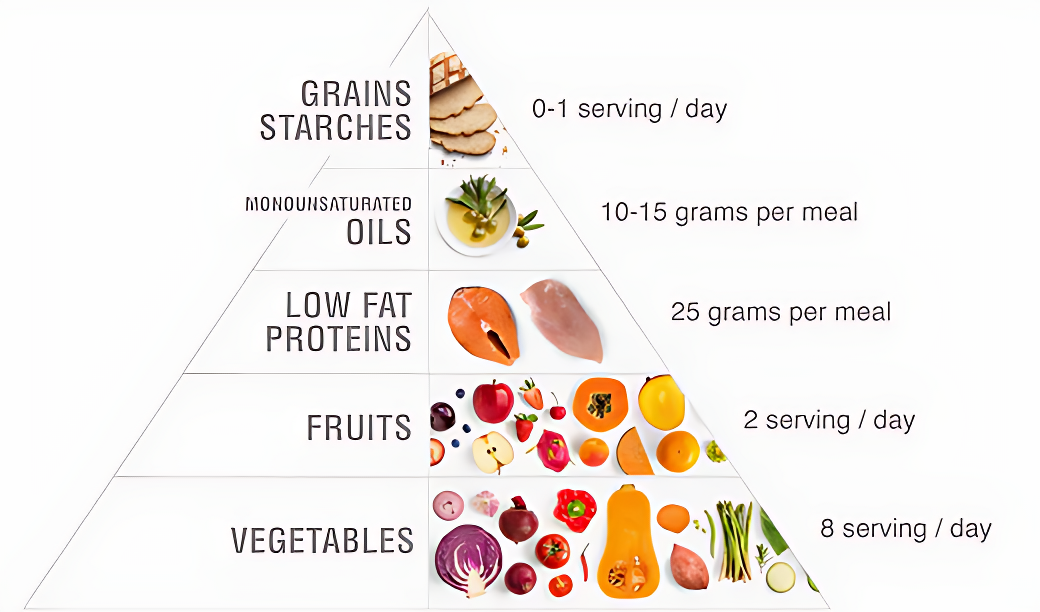
Four to six weeks before departure, begin a gradual reduction. You don’t need to go cold turkey on anything. Start by cutting your coffee intake by half every week. If you drink three cups daily, drop to two, then one, then switch to green or herbal tea. Do the same with alcohol — reduce frequency and quantity week by week until you’re comfortably having none.
Two to three weeks before departure, shift your diet toward lighter, more plant-forward meals. Reduce red meat, fried foods, and processed snacks. Increase cooKed vegetables, whole grains, soups, and fresh fruits. This isn’t about punishment — it’s about giving your digestive system a head start so that the sattvic (pure, vegetarian) retreat diet feels like a natural transition rather than a shock.
One week before departure, simplify further. Eat warm, cooKed, easy-to-digest meals. Avoid raw salads, ice-cold drinks, and heavy dairy. Drink warm water throughout the day. This mirrors the Ayurvedic dietary principles you’ll follow during your retreat and helps your gut microbiome begin adapting.
Guests who follow this progression consistently report that they “hit the ground running” — their bodies respond faster to treatments, they experience fewer detox symptoms, and they get more therapeutic value from every day of their program.
The Visa and Travel Logistics
India’s visa system for wellness travelers is straightforward, but it does require advance planning.
For US, UK, European, and Australian passport holders, the e-visa (eTV) system is the most convenient option. You can apply online through the Indian government’s official e-visa portal. Processing typically takes two to four business days, though applying at least two weeks before departure is recommended. The e-Tourist visa allows stays of up to 90 days (for US citizens) or 30 days (for most other nationalities), with options for single or multiple entry.
Flights: Most international travelers fly into Delhi’s Indira Gandhi International Airport (DEL), which receives direct flights from most major Western cities. From Delhi, you have two options for reaching Rishikesh. The faster route is a short domestic flight to Dehradun’s Jolly Grant Airport (DED) — about one hour — followed by a 45-minute drive to Rishikesh. The more scenic alternative is a five-to-six-hour drive or train journey from Delhi through the Uttarakhand countryside. Most retreat centers offer airport pickup services from Dehradun, and many can arrange Delhi transfers as well.
Travel insurance: This is non-negotiable. Purchase comprehensive travel insurance that covers medical treatment, emergency evacuation, and trip cancellation. Confirm that Ayurvedic treatments are covered under the medical provisions — some policies exclude alternative therapies, so read the fine print or call your insurer directly.
Vaccinations: No vaccinations are mandatory for entry into India from most Western countries, but the CDC and WHO recommend ensuring your routine vaccinations are current and considering Hepatitis A, Typhoid, and Tetanus boosters. Consult your travel medicine physician at least six weeks before departure for personalized advice based on your medical history.
What to Pack: The Practical List
Packing for an Ayurveda retreat is different from packing for a vacation. You’ll spend most of your time in comfortable, loose-fitting clothing — not exploring tourist sites in fashionable outfits.
Clothing essentials:
Bring five to seven sets of loose, comfortable clothing in natural fabrics — cotton and linen are ideal. Think yoga pants or loose trousers, breathable t-shirts, and light layers. Rishikesh is conservative by Western standards, so both men and women should avoid very short shorts and revealing tops, particularly when visiting temples or walking through town. Pack one warmer layer — a light fleece or shawl — for early mornings and evenings, especially if traveling between October and March when temperatures can drop to 8-10°C (46-50°F) at night.
Footwear: Bring comfortable walking sandals (you’ll be removing shoes frequently) and one pair of closed-toe shoes or sturdy sandals for trekking excursions. Flip-flops are useful for moving around your accommodation.

Treatment-specific items: You will receive oil-based treatments regularly. Bring two to three sets of old, dark-colored clothing that you don’t mind getting oil-stained — these will become your “treatment clothes.” A dark-colored towel for the same purpose is helpful, though most retreat centers provide treatment linens.
Toiletries: Bring reef-safe, natural sunscreen (SPF 30+), a good insect repellent (DEET-based or natural alternatives), basic medications you might need (antihistamines, electrolyte sachets, any prescription medications), and minimal cosmetics. Your Ayurvedic practitioner may ask you to pause certain skincare products during treatment, so expensive serums and active-ingredient products can stay home.
Electronics: A universal power adapter (India uses Type C, D, and M outlets — a universal adapter covers all three). A headlamp or small flashlight for early morning walks. Your phone and charger. Consider leaving the laptop — this is meant to be a digital detox as much asa physical one.
Documents: Print hard copies of your e-visa, travel insurance policy, flight itineraries, and retreat booking confirmation. Carry photocopies of your passport’s photo page separately from the original.
Preparing Mentally: Managing Expectations
This section might be the most important in this entire guide.
Many first-time retreat guests arrive with a specific vision of what their experience “should” look like. They’ve seen the Instagram posts — serene yoga poses against mountain backdrops, glowing skin, transcendent meditation sessions. The reality is more complex, more challenging, and ultimately more rewarding than any social media post can convey.
Expect discomfort. Not suffering — discomfort. Your body will adjust to new food, anew climate, a new daily rhythm. Ayurvedic treatments can be quite active, and some people notice temporary tiredness, skin reactions or emotional releases. This is the process working, not failing.
Expect boredom. In a culture of constant stimulation, the quiet hours of a retreat can feel confronting. You’ll have stretches of unstructured time with no screens, no social plans, and no distractions. These are the hours where the deepest internal work happens — but only if you resist the urge to fill them.
Expect emotional intensity. Ayurvedic body therapies and sustained meditation practice can surface emotions you didn’t know you were carrying. Practitioners at experienced retreat centers have seen this thousands of times and are trained to support you through it. Don’t be surprised if you feel vulnerable, tearful, or unusually raw during certain stages of your retreat. This emotional release is as much a part of the detoxification as the physical procedures.
Expect to be changed, not fixed. Ayurveda doesn’t promise to “fix” you in seven or fourteen days. What it does is initiate a process — a recalibration of your body’s intelligence, your digestive patterns, your sleep architecture, and your relationship with stress. The retreat plants seeds. The months that follow are when you see them grow, provided you follow the post-retreat guidelines your practitioner prescribes.
Read More: Rishikesh vs Bali vs Goa: How to Choose the Right Yoga Retreat Destination
Cultural Preparation: Bridging the Gap
India will meet you with extraordinary warmth and occasional chaos, often simultaneously. A few cultural notes will help you navigate with grace.
Language: English is widely spoken in Rishikesh, particularly in the wellness and tourism community. Your retreat staff, practitioners, and most local vendors will communicate comfortably in English. Learning a few Hindi phrases — Namaste (greeting), Dhanyavaad (thank you), Haan (yes), Nahin (no) — is appreciated and opens doors.
Currency and payments: India uses the Indian Rupee (INR). ATMs are widely available in Rishikesh. Carry some cash for small purchases, temple donations, and tips, but many establishments also accept UPI-based digital payments and cards. Inform your bank of your travel dates to prevent card blocks.
Time and pace: India operates on a more fluid relationship with time than most Western cultures. Schedules may shift. Meals may arrive at slightly different times than posted. Traffic on the road from Dehradun may add an unexpected hour to your journey. Practicing patience isn’t just cultural courtesy — it’s the first lesson of the retreat itself.
Respect for tradition: Rishikesh is a sacred city. Alcohol and non-vegetarian food are not available in most areas (and are prohibited in many). Dress modestly when visiting temples or ashrams. Remove shoes before entering sacred or treatment spaces. These aren’t restrictions — they’re invitations to participate in a culture that has been welcoming seekers for centuries.
The 48 Hours Before Departure
In the final days before you leave, keep things simple.
Get your sleep schedule as close to the retreat rhythm as possible. Most programs begin at 6:00 or 7:00 a.m. — if you’re used to sleeping until 9:00, start setting earlier alarms now. Hydrate well. Avoid heavy meals. Set an out-of-office reply. Tell your people you’ll be less available. Put your phone on airplane mode for a few hours each day as practice.
And most importantly — release the need to have everything figured out. The retreat will have structure. The practitioners will have experience. Your only job is to show up, participate honestly, and let the process meet you where you are.
If you’re looking for a structured, traditional program that combines Ayurvedic healing with daily yoga and meditation on a yoga retreat in Rishikesh in an authentic Himalayan setting, explore the Ayurveda retreat in Rishikesh offered by Om Setu Yogashala — a program designed specifically for international guests seeking genuine, practitioner-guided Ayurvedic experiences. See how this comes together in our Yoga, Ayurveda & Detox Retreat in Rishikesh.
Your bags will be ready long before you are. And that’s perfectly fine. The readiness comes from the decision itself.
This article is for general information and isn’t medical advice. Please speak to your doctor before starting a new practice, especially if you have a health condition.