
There are wellness retreats in Bali with infinity pools overlooking rice terraces. There are detox resorts in Thailand with world-class spas and five-star dining. There are meditation centers in Sedona surrounded by red rock and desert silence. All beautiful. All legitimate. And none of them can offer what Rishikesh offers.
This isn’t resort-brochure talk. Rishikesh holds a position in the global wellness landscape that no other city can replicate — not because of marketing, but because of geography, history, botany, spirituality, and a living medical tradition that has been practiced here, without interruption, for thousands of years.
If you’re considering a healing retreat and wondering whether the destination actually matters, this article will answer that question definitively.
The Geographical Advantage Most People Overlook
Let’s start with something rarely discussed in wellness circles: altitude, air, and water quality as therapeutic factors.
Rishikesh sits at approximately 372 meters (1,220 feet) above sea level, at the exact point where the Ganges leaves the Himalayan foothills and enters the plains. This isn’t a random detail. The air here carries significantly higher concentrations of negative ions — produced by the fast- moving river water crashing over rocks and the dense surrounding forest cover. healing retreat Research published in journals including the International Journal of Molecular Sciences has documented that elevated negative ion exposure can improve serotonin regulation, reduce stress hormone levels, and support respiratory function.
In practical terms, most visitors notice this within hours of arrival. Breathing feels different. Sleep comes faster. The persistent low-grade headache that follows you through city life simply disappears.
The water itself matters too. The Ganges at Rishikesh runs remarkably clean compared to its downstream stretches. It flows directly from Himalayan glacial sources, and studies by India’s National Mission for Clean Ganga have confirmed that the river at this altitude retains natural antibacterial properties — a phenomenon attributed to bacteriophages and the mineral composition of glacial meltwater. Ayurvedic practitioners in the region have long held that the local water quality enhances the efficacy of herbal treatments. Modern analysis suggests they were onto something genuinely measurable.
The Himalayan foothills surrounding Rishikesh are also home to an extraordinary concentration of medicinal plant species. According to research conducted by the Wildlife Institute of India, the Garhwal Himalayan region hosts over 1,700 documented medicinal plant species. Many of the herbs used in classical Ayurvedic formulations — Ashwagandha, Brahmi, Tulsi, Guduchi, and scores of others — grow wild in the forests and valleys within a short radius of the city. healing retreat When Ayurvedic practitioners in Rishikesh say their medicines are “locally sourced,” they mean something profoundly different from an herb imported in dried-powder form to a clinic in London or New York.
This convergence of clean air, mineral-rich water, and abundant medicinal flora creates what Ayurveda calls a sthana vishesh — a place whose inherent qualities actively support the healing retreat process. You can replicate an Ayurvedic treatment protocol anywhere in the world. You cannot replicate the environment in which it was designed to work.
A Living Tradition, Not a Revived One
Here’s a distinction that matters more than most travelers realize.
In many parts of the world, Ayurveda has been “revived” — rediscovered by wellness entrepreneurs, adapted for contemporary tastes, and repackaged for a market that values convenience. There’s nothing inherently wrong with this, but it does mean the practice has passed through a filter of commercial interpretation.
In Rishikesh, Ayurveda was never interrupted. It didn’t need reviving because it never left.
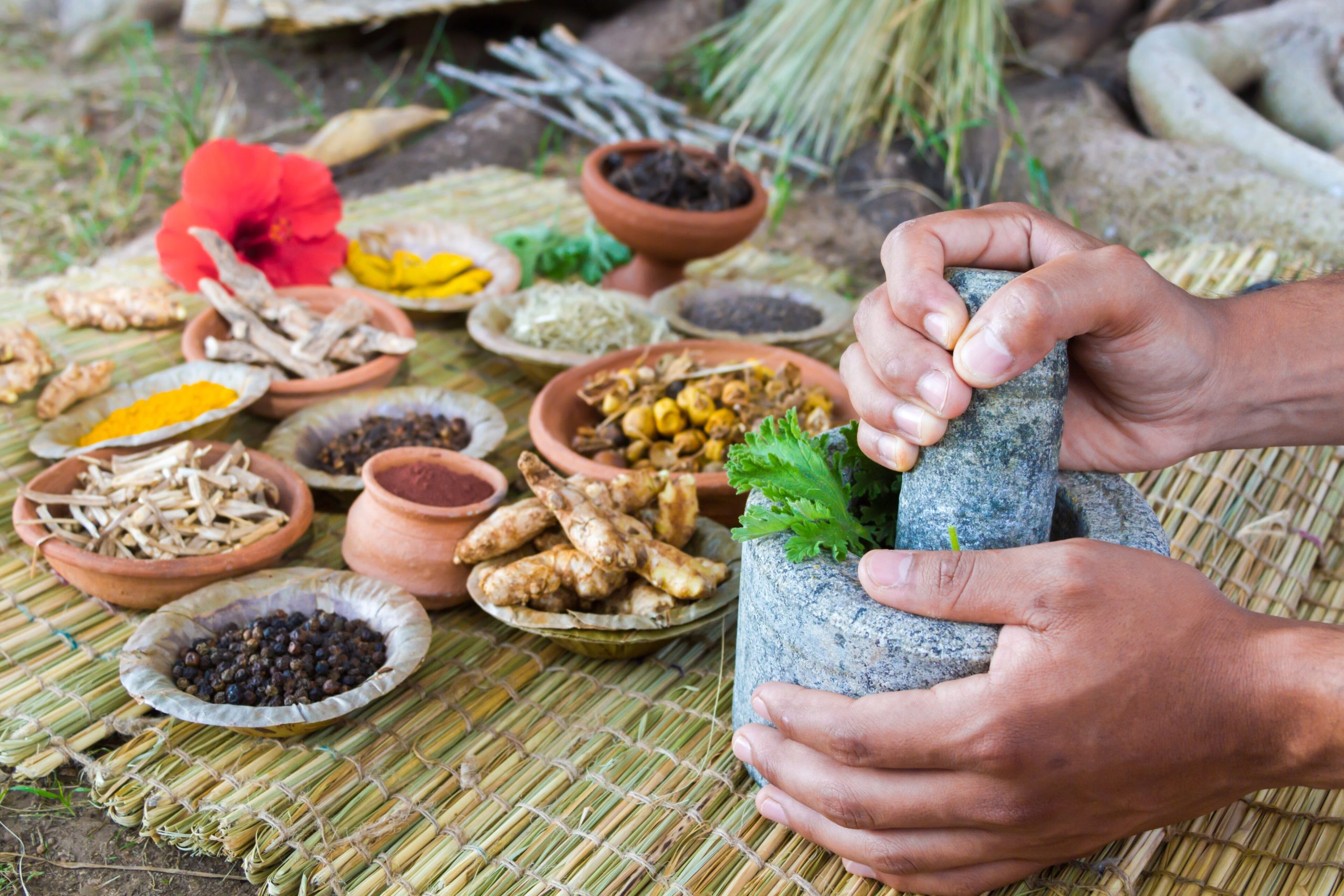
The city and its surrounding region in Uttarakhand have maintained continuous Ayurvedic practice through family lineages of vaidyas (traditional Ayurvedic physicians) who have passed knowledge, formulations, and clinical experience from generation to generation. healing retreat When you consult an Ayurvedic doctor in Rishikesh, there’s a reasonable chance their grandfather treated patients using the same diagnostic framework and many of the same herbal preparations.
This continuity matters because Ayurveda is, at its core, an observational science. The classical texts — Charaka Samhita, Sushruta Samhita, Ashtanga Hridaya — provide the theoretical framework. But the clinical nuance, the ability to read a pulse and understand what it reveals, the knowledge of which herbal combination works best for which presentation — that comes from accumulated generations of practice. It lives in the practitioner’s hands as much as in any textbook.
Rishikesh is also home to several respected Ayurvedic training institutions where practitioners complete the full BAMS (Bachelor of Ayurvedic Medicine and Surgery) degree — a five-and-a- half-year university program that includes training in both Ayurvedic and modern medical sciences. This isn’t a weeKend certification. These are clinically trained physicians who understand when Ayurvedic treatment is appropriate and when a patient needs to be referred for conventional medical care. healing retreat That dual competency is a safety net that Western visitors should actively look for when choosing any Ayurvedic program.
Why the Spiritual Dimension Isn’t Optional
Some Western travelers arrive in Rishikesh planning to skip the spiritual elements and focus purely on the physical treatments. This is understandable — not everyone is comfortable with ritual, devotion, or religious practice that isn’t their own. But stripping the spiritual dimension from Ayurveda in Rishikesh is like visiting a vineyard and refusing to look at the soil. You miss the root system of the entire practice.

Ayurveda does not separate physical health from mental, emotional, and spiritual wellbeing. They are understood as interconnected layers of the same system. A practitioner treating chronic insomnia will examine not only your digestive patterns and daily routines but also your emotional landscape, your relationship with purpose, and the quality of your inner stillness. The treatment addresses all of these layers simultaneously.
Rishikesh provides an environment where this integrated approach unfolds naturally. The Ganga Aarti ceremony at Triveni Ghat each evening isn’t a tourist attraction — it’s an immersive experience in collective devotion and concentrated energy that many visitors describe as emotionally transformative, regardless of their religious background. The ancient meditation caves above the city, where yogis have practiced for centuries, offer a quality of silence that simply doesn’t exist in urban meditation studios. healing retreat The morning temple treks — particularly to Kunjapuri, where the sunrise over the Himalayan peaks is staggering — create a sense of perspective and awe that shifts something deep in the nervous system.
These experiences don’t require belief. They require presence. And they contribute to the healing retreat process in ways that even skeptical visitors consistently acknowledge.
Yoga and Ayurveda: The Sister Sciences Reunited
One of the most compelling reasons to choose Rishikesh for a healing retreat is the opportunity to practice yoga and Ayurveda together in their original context.

In the West, yoga and Ayurveda have largely been separated. Yoga became a fitness practice offered in gyms and studios. Ayurveda became an alternative medicine niche found in specialty clinics. But these two systems were never meant to stand alone. Classical Indian texts describe them as sister sciences — yoga addressing the spiritual and energetic body, Ayurveda addressing the physical and medical body, and both informing and strengthening the other.
During an Ayurveda healing retreat in Rishikesh, this integration happens organically. Your yoga asana practice is informed by your Ayurvedic assessment. A person with aggravated Vata might be guided toward slower, grounding postures rather than vigorous Vinyasa flows. A person with Kapha excess might be encouraged toward more dynamic, heat-building sequences. Pranayama techniques are selected based on your constitution. Even your meditation practice is tailored — cooling practices for Pitta types, stimulating practices for Kapha types, calming practices for Vata types.
This isn’t a luxury add-on. It’s how the system was designed to work. And Rishikesh, as the acknowledged yoga capital of the world, is one of the few places where you can experience both sciences practiced at their highest level, side by side, in a single healing retreat program.
What Rishikesh Offers That Resort Destinations Cannot
Let’s be honest about the comparison. Rishikesh is not a luxury resort destination. You won’t find swim-up bars, marble-floored lobbies, or Michelin-starred restaurants. The town is bustling, occasionally chaotic, and unapologetically Indian.
And that’s precisely why it works.
Healing retreats set in five-star resort environments often create a paradox: they remove you from discomfort so thoroughly that you never actually confront the patterns that made you unwell. You leave relaxed but unchanged. The comfort itself becomes the experience, and the therapeutic work stays on the surface.
Rishikesh asks more of you. The morning alarm comes before dawn. The food is sattvic — pure, simple, and vegetarian — designed for therapeutic purpose rather than culinary pleasure. The treatments are medicinal, not indulgent. The environment is deeply peaceful but not insulated from life.
This matters because genuine healing retreat requires a degree of discomfort, adaptation, and surrender. The ancient yogis chose Rishikesh for their practice not because it was easy, but because the environment demanded presence. The same remains true today.
That said, reputable healing retreat centers in Rishikesh offer clean, comfortable accommodation, professional medical supervision, wholesome meals, and genuine warmth. You won’t be roughing it. But you will be stepping outside your comfort zone — and that’s where transformation lives.
Read More: How to Prepare for a Yoga Retreat in India: Packing, Visas, and What Nobody Tells You
Practical Considerations for Western Travelers
Rishikesh is well-connected for international travelers. The nearest airport is Dehradun’s Jolly Grant Airport, with daily connections from Delhi (a one-hour flight). Delhi’s Indira Gandhi International Airport receives direct flights from most major Western cities. From Dehradun, Rishikesh is approximately a 45-minute drive.
The best seasons for a healing retreat are September through November (post-monsoon, when the air is clearest and the landscape most vibrant) and February through April (pleasant temperatures before the summer heat). healing retreat The monsoon months of July and August bring heavy rain but also a dramatic, lush beauty that some travelers prefer.
Visa requirements for most Western nationals are straightforward — India’s e-visa system allows online application with processing typically completed within 72 hours.
For those considering combining yoga, meditation, and Ayurvedic healing retreat in a single immersive program, an Ayurveda retreat in Rishikesh provides the structure and guidance to experience all three traditions practiced at their source, within the environment they were born from. That’s why we built our Yoga, Ayurveda & Detox Retreat around this place.
Some places are destinations. Rishikesh is a catalyst. The difference becomes clear the moment you arrive.