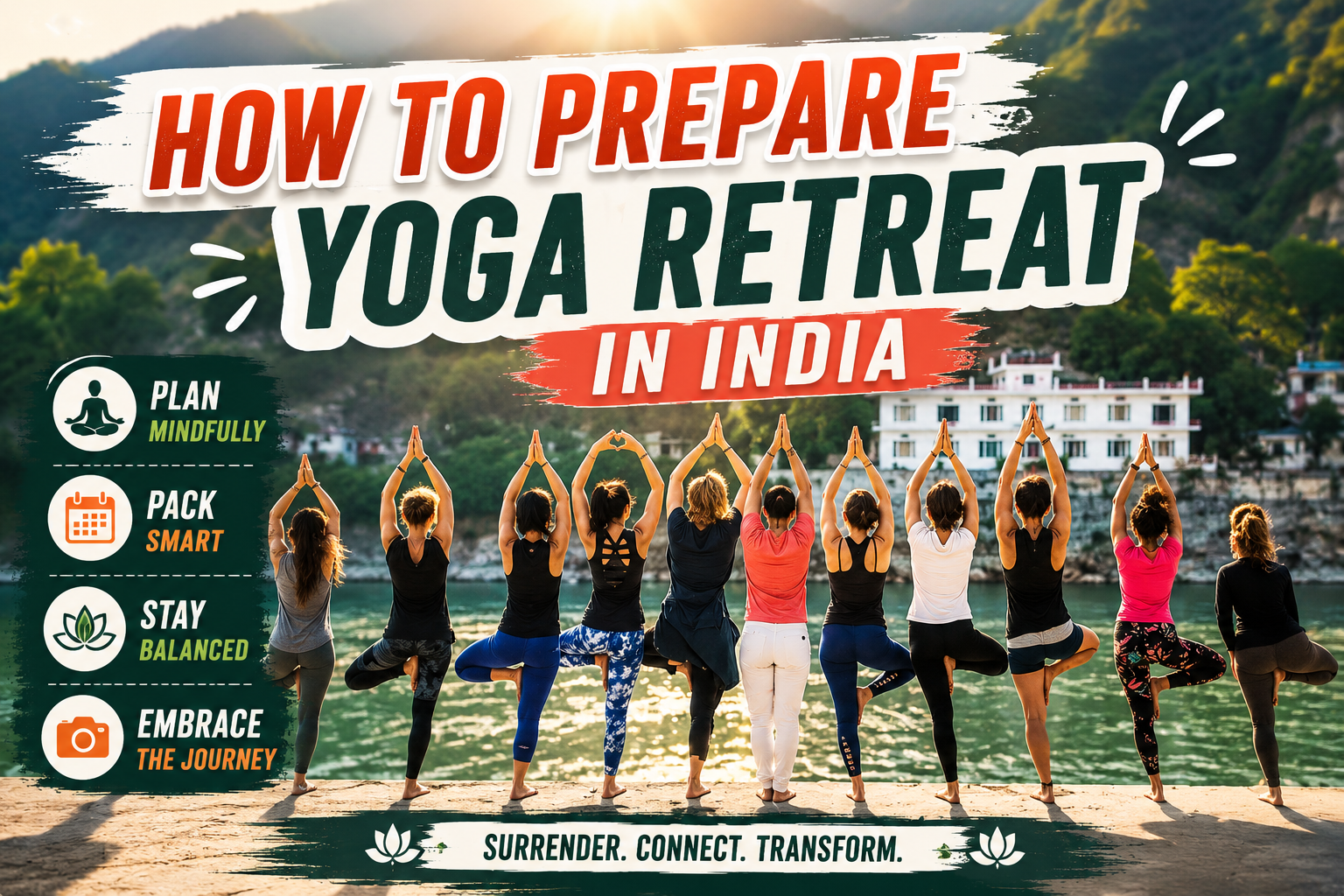
You’ve booked the retreat. The dates are locked. The excitement is real. And now a quieter voice kicks in — what do I actually need to do before I get on that plane? Preparing for a yoga retreat in India is different from packing for a European city break or a beach holiday in Mexico. The logistics are straightforward once you know them, but the gaps in most travel guides can catch you off guard.
This article comes from years of welcoming international students to Rishikesh — watching what trips people up, what questions come up repeatedly in the first 24 hours, and what experienced retreat-goers wish they’d known the first time around. Consider it the advice a well- traveled friend would give you over coffee.
Visa: Simpler Than You Think
India’s visa process has a reputation for being complicated, but for most Western travelers, it’s actually quite painless thanks to the e-Visa system.
The e-Visa (ETV) Route
Citizens of the United States, United Kingdom, Canada, Australia, Germany, France, and most European countries are eligible for an Indian e-Visa. You apply entirely online, and the process typically takes two to four business days.
Here’s what you need to apply
A passport valid for at least six months beyond your arrival date. A digital passport photo witha white background. A scan or photo of your passport’s information page. A credit or debit card for the fee (approximately $25-$80 USD depending on your nationality and visa duration). And a confirmed return flight or onward travel itinerary.
Important timing note: Apply at least two weeks before your departure date. While approvals often come within 48 hours, occasional delays happen — especially during peak travel seasons. Don’t leave it until the last week. The e-Visa is valid for tourism purposes, which covers yoga retreats and teacher training programs. You do not need a student visa or a special permit for a retreat stay.
Common visa mistakes to avoid

Using a photo with a colored background (this gets rejected frequently). Having a passport that expires within six months of arrival. Applying through third-party visa agencies that charge inflated fees — always use the official Indian government e-Visa portal. And forgetting to printa copy of your e-Visa approval — you’ll want a physical copy as backup even though it’s linked electronically to your passport.
Vaccinations and Health Prep

No vaccinations are legally required for entry into India from most Western countries, but several are strongly recommended by travel health organizations including the CDC and WHO.
Recommended vaccinations
Hepatitis A and B (if you’re not already vaccinated). Typhoid. Tetanus-diphtheria booster (if yours is more than ten years old). And a course of antimalarial medication if you’re traveling during or immediately after monsoon season (July through September), when mosquito activity is highest.
Consult your doctor — seriously

This isn’t generic advice. Schedule a travel health consultation at least six weeks before departure. Your doctor can review your vaccination history, prescribe any needed medications, and advise on personal risk factors. If you take prescription medication, bring enough for your entire trip plus a buffer of one extra week, along with a copy of the prescription.
The stomach reality
Let’s be honest about this because almost every travel guide dances around it. Mild digestive adjustment is common when visiting India for the first time. Your gut biome is encountering new bacteria — it’s not dangerous, but it’s uncomfortable.
How to minimize the risk: Drink only bottled or filtered water (never tap). Avoid raw salads and unpeeled fruit from street vendors (retreat centers prepare food safely, so this applies mainly to eating outside the center). Carry oral rehydration salts (ORS packets), which are also available cheaply at any Indian pharmacy. And bring a basic supply of anti-diarrheal medication and activated charcoal tablets.
Most digestive issues resolve within 24 to 48 hours. If symptoms persist beyond three days, visit alocal clinic — medical care in Rishikesh is accessible and affordable.
What to Pack (and What to Leave Behind)
Overpacking is the single most common mistake first-time India visitors make. You don’t need as much as you think, and anything you forget can be bought cheaply in Rishikesh.
Clothing essentials

For yoga practice: Three to four sets of comfortable, breathable yoga clothes. Avoid very short shorts and low-cut tops — Rishikesh is a conservative, spiritual city, and modest clothing shows respect for local culture. Loose-fitting leggings, t-shirts, and lightweight long pants work perfectly.
For daily wear outside the retreat: Loose cotton or linen clothing that covers your shoulders and knees. This applies to both men and women. A light shaw] or scarf is incredibly versatile — use it as a cover-up at temples, a blanket during meditation, or sun protection during walks.
For weather: A warm fleece or hoodie if you’re visiting between November and February (mornings are genuinely cold). A lightweight rain jacket if you’re visiting during or near monsoon season. Comfortable walking sandals and a pair of shoes for uneven terrain.
Toiletries and personal items
Sunscreen (SPF 50 — the Himalayan sun is stronger than you expect at altitude). Insect repellent with DEET. A personal water bottle with a built-in filter (brands like LifeStraw or Grayl are popular among India travelers). Basic first-aid supplies — bandages, antiseptic, blister plasters. Any prescription medications in their original packaging. And a small quick-dry towel (some retreat centers provide towels, many don’t).
Yoga gear
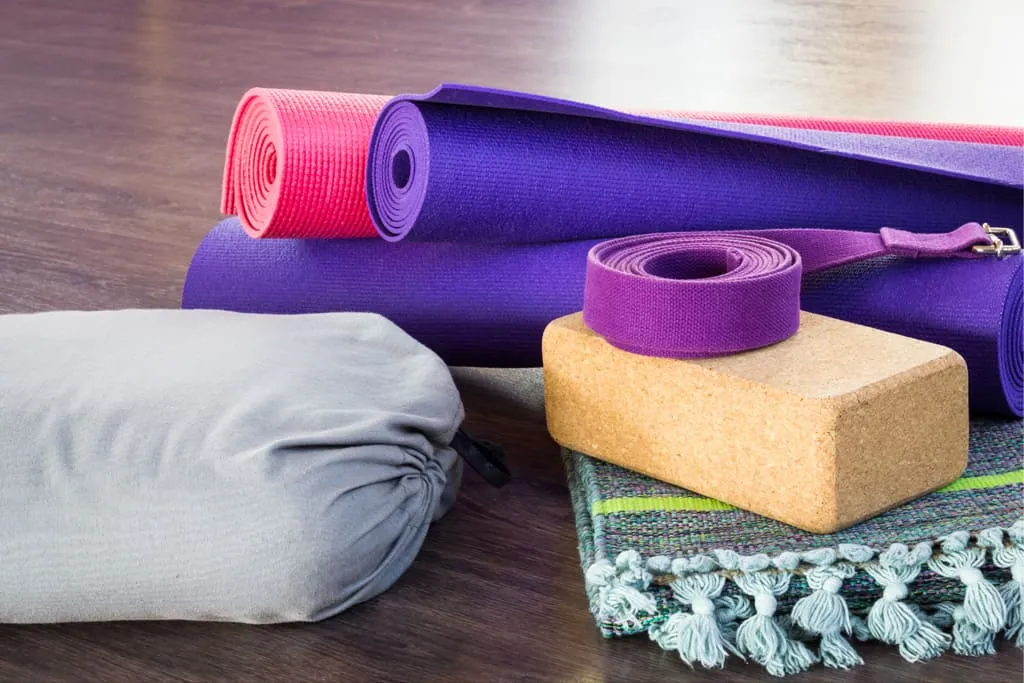
Most retreat centers provide yoga mats, blocks, and props. Bringing your own mat is optional but worth it if you have a strong preference. If you do bring one, choose a travel-weight version that folds into your suitcase rather than a full-size mat.
Electronics
A universal power adapter (India uses Type C and Type D outlets — a universal adapter covers both). Your phone and charger. A headlamp or small flashlight (power outages happen occasionally, and nighttime paths between rooms can be dark). Leave the laptop at home if you can — this is meant to be a digital detox.
What Not to Pack
Expensive jewelry or flashy accessories. Heavy jeans or formal clothing. More than two pairs of shoes. Full-size toiletry bottles (travel sizes are fine — you can buy anything you run out of locally). A negative attitude about Indian food (you’re going to love it — give it a chance).
Money Matters
Cash vs card

India is increasingly digital, but Rishikesh operates largely on cash for small purchases — chai Stalls, rickshaws, market shopping, temple donations. ATMs are readily available in Rishikesh town, and most accept international Visa and Mastercard debit cards.
Recommended approach: Pay your retreat fees in advance by bank transfer or online payment (most centers offer this). Bring a debit card for ATM withdrawals once you arrive. Carry $100- $200 USD in cash as emergency backup (easily exchanged at local shops). And budget approximately $10-$20 USD per day for personal spending outside the retreat — snacks, chai, souvenirs, transportation.
Tipping culture
Tipping is not mandatory in India but is appreciated for good service. A general guideline: 50- 100 Indian rupees for restaurant staff, 100-200 rupees per day for retreat support staff if you felt well taken care of, and rounding up taxi or rickshaw fares to the nearest convenient amount.
Getting to Rishikesh
From Delhi (most common route)
By car/taxi: Approximately five to six hours via the Delhi-Haridwar highway. Many retreat centers arrange airport pickup for a fee (typically $50-$80 USD). This is the most comfortable option, especially if you’re arriving after a long international flight.
By train: Take a train from Delhi to Haridwar station (four to five hours depending on the service), then a taxi or shared jeep from Haridwar to Rishikesh (approximately 45 minutes). Trains are affordable and an experience in themselves, but they require more logistical confidence.
By bus: Government and private buses run regularly from Delhi’s ISBT Kashmere Gate to Rishikesh. Journey time is six to eight hours. Budget option, but less comfortable for tired travelers.
From Dehradun (closest airport)
Jolly Grant Airport in Dehradun is the nearest airport to Rishikesh — about 35 minutes by taxi. Domestic flights connect Dehradun with Delhi, Mumbai, and Bangalore. If you can find a reasonably priced domestic connecting flight, this saves you the long drive from Delhi.
Pro tip from experience: If your international flight lands in Delhi late at night, consider booking an airport hotel and driving to Rishikesh the next morning. Arriving fresh makes a real difference to your first-day experience.
Cultural Preparation: The Things Nobody Tells You
The noise is part of it
Rishikesh is not silent. Temple bells, chanting, car horns, dogs barking at 3 AM, the call to prayer from a nearby mosque — these sounds are the texture of the place. Bring earplugs for sleeping if you’re noise-sensitive, but also try to let the soundscape become part of your practice. By day three, most visitors stop noticing it.
Personal space works differently
Indians are warm, curious, and socially engaged in ways that can feel intense if you’re used to Scandinavian or British reserve. People will ask where you’re from, whether you’re married, how much you earn, and whether you like India — all within the first five minutes of conversation. This isn’t rude. It’s genuine interest. Smile, answer what you’re comfortable with, and don’t take it personally.
The head wobble
You’ll encounter the famous Indian head wobble — a side-to-side movement that can mean yes, no, maybe, I understand, or I’m listening. Context is everything. You’ll learn to read it surprisingly fast.
Shoes off, always
Remove your shoes before entering temples, ashrams, yoga shalas, and many homes and shops. Wear shoes that are easy to slip on and off. This becomes second nature within hours.
The Ganges is sacred
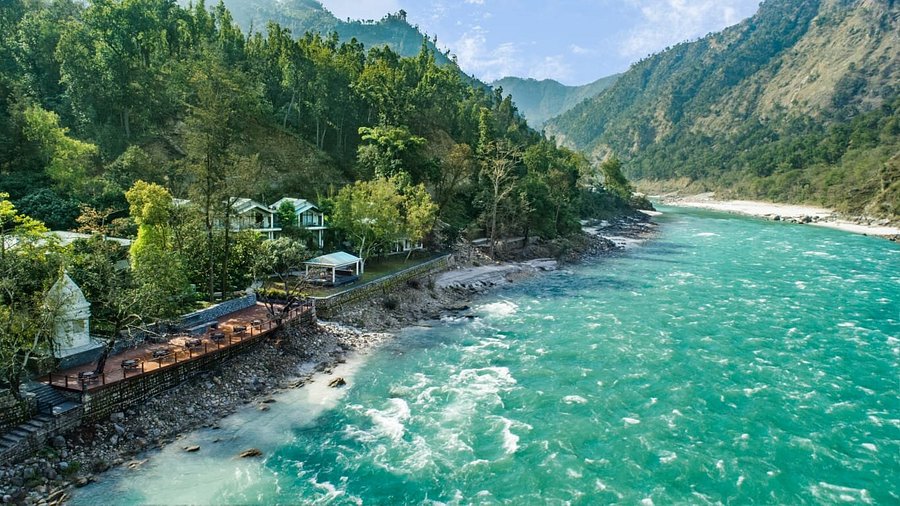
Even if you’re not religious, treat the river with respect. Don’t throw trash in or near the water. If you swim (many visitors do in certain safe areas), do so mindfully. And if you witness a religious ceremony on the ghats, observe quietly — photos are usually fine, but ask first if you’re close to the participants.
Read More: Best Time to Visit Rishikesh for a Yoga Retreat: A Month-by-Month Guide
Your Pre-Departure Checklist
Six weeks before: Apply for your e-Visa. Schedule a travel health consultation. Book your retreat if you haven’t already.
Three weeks before: Confirm your e-Visa approval. Arrange airport transfers. Start packing using the list above.
One week before: Print copies of your e-Visa, retreat confirmation, and travel insurance documents. Notify your bank that you’ll be using your card in India. Download offline maps of Rishikesh and the route from Delhi.
Day before departure: Charge all electronics. Pack your carry-on with essentials (medications, change of clothes, water bottle, documents) in case checked luggage is delayed. Take a deep breath. You’re ready.
One Last Thing
Preparation matters, but perfection doesn’t. You’ll forget something. You’ll be confused by something. You’ll eat something questionable from a street cart and wonder why you didn’t listen to the advice. And none of it will ruin your experience. India has a way of taking care of the people who show up with an open heart — even the unprepared ones. If you’re still in the planning stage and looking for a retreat that handles the logistics for you — airport pickup, meals, accommodation, daily practice — check out the yoga retreat programs at Om Setu yogashala in Rishikesh. The team has welcomed hundreds of international students from over 40 countries and understands exactly what first-time visitors need to feel comfortable from day one.