
Here’s a question that can quietly derail your entire trip if you get it wrong: when should I actually go? Book the wrong month and you could end up practicing yoga in 42°C heat, dodging monsoon floods, or paying peak-season prices for a room you could’ve gotten at half the cost eight weeks later. Best Time to Visit Rishikesh
Rishikesh isn’t a year-round destination in the way that Bali or Costa Rica might be.The Himalayan foothills have distinct seasons, and each one creates a dramatically different retreat experience. This guide breaks it down month by month — no fluff, just the practical information you need to book with confidence.
The Short Answer (If You’re in a Hurry)
The best months for a yoga retreat visit Rishikesh are September through November and February through April. These windows give you comfortable weather, manageable crowds, and the widest selection of retreat programs.
But the “best” time also depends on what you’re looking for. Want solitude and cool mountain air? February is your month. Want a vibrant social scene with other yogis from around the world? October is peak season for a reason. Want budget-friendly pricing and don’t mind the heat? May could work.
Let’s go deeper.
Understanding Rishikesh’s Three Seasons
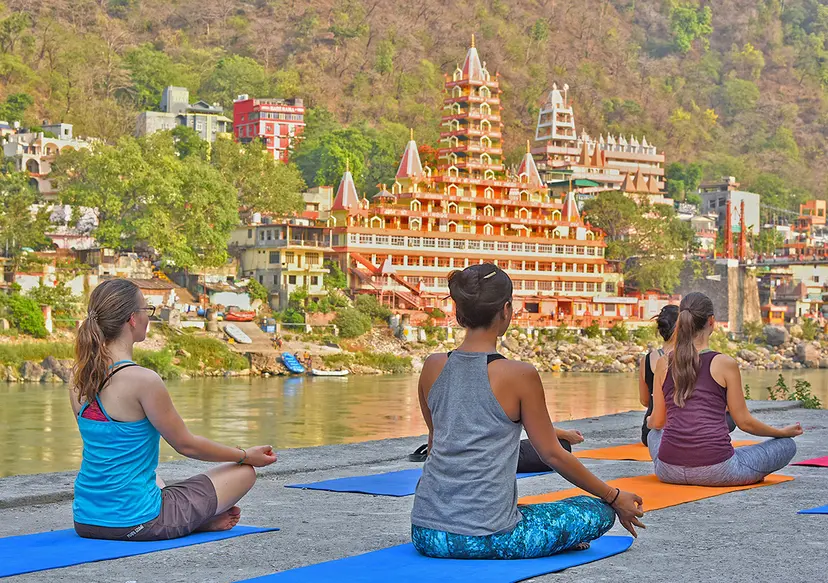
Before the month-by-month breakdown, it helps to understand the three broad seasons that shape life in Rishikesh.
The cool season (October – February): Temperatures range from 5°C to 25°C. Mornings are crisp — sometimes cold enough for a fleece during early meditation. Days are sunny and clear. The Ganges runs clean and green. This is peak tourist and retreat season.
The hot season (March – June): Temperatures climb steadily from a pleasant 25°C in March toa punishing 40°C+ in May and June. Humidity builds as monsoon season approaches. visit rishikeshCrowds thin out significantly after April.
The monsoon season (July – September): Heavy rainfall, landslides on mountain roads, swollen rivers, and lush green everything. visiti rishikesh Most ashrams and retreat centers remain open, but some outdoor activities are restricted. September marks the transition back to clear weather.
Now, let’s look at each month individually.
January: Cold Mornings, Quiet Energy
Temperature: 5°C – 19°C Crowd level: Low to moderate Retreat availability: Good
January in Rishikesh is cold — genuinely cold, especially in the mornings and evenings. If you’re coming from a Northern European or Canadian winter, you’ll find it manageable. visit rishikesh If you’re from Australia or Southeast Asia, pack layers.
The upside? January is beautifully quiet. The holiday rush of December has passed, and the spring wave of visitors hasn’t arrived yet. visit rishikesh You’ll find smaller class sizes, more personal attention from teachers, and an overall more contemplative atmosphere. visit rishikesh The Himalayas are often snow- capped and visible on clear days, which makes morning meditation on a rooftop terrace feel otherworldly.
Best for: Experienced practitioners who want depth and solitude. Not ideal if you dislike cold morning practice sessions.
February: The Sweet Spot Begins
Temperature: 8°C – 22°C Crowd level: Moderate Retreat availability: Excellent
February is when visit Rishikesh starts to wake up. The days grow warmer, the mornings are still cool enough to feel invigorating (rather than brutal), and retreat centers begin rolling out their full seasonal programs.
This is arguably the most underrated month to visit Rishikesh You get the benefits of the quiet season — lower prices, personal attention, no overcrowding — with increasingly comfortable weather. By late February, you can comfortably practice outdoors in a t-shirt by mid-morning.
Best for: First-time visitors who want a balance of comfort and authenticity without peak-season crowds.
March: Spring Arrives
Temperature: 12°C – 28°C Crowd level: Moderate to high Retreat availability: Excellent
March is gorgeous in Rishikesh. The hillsides begin to bloom, the river is calm and clear, and the temperatures are warm but not oppressive. visit rishikesh This is one of the most popular months for international visitors, so expect fuller retreat groups and a more social atmosphere.
The International Yoga Festival typically takes place in early March, drawing thousands of practitioners from around the world. If you want to combine a retreat with this event, book well in advance — accommodation fills up fast. Best for: Anyone. March is the most universally comfortable month for a yoga retreat in Rishikesh.
April: Warming Up, Thinning Out
Temperature: 17°C – 34°C Crowd level: Moderate Retreat availability: Good
April is the last comfortably warm month before the heat really sets in. Early April still feels like late spring — pleasant mornings, warm afternoons, cool evenings. By late April, the heat becomes noticeable, especially during midday.
The crowd begins to thin as the season winds down, which means better rates and more availability. If you’re flexible on dates and don’t mind warmth, late April offers genuine value.
Best for: Budget-conscious travelers who still want good weather. Also good for those who prefer smaller retreat groups.
May: The Heat Test
Temperature: 22°C – 40°C Crowd level: Low Retreat availability: Reduced
May is hot. Not “oh it’s a bit warm” hot — genuinely, sweat-through-your-yoga-clothes-during- savasana hot. Most retreat centers adjust their schedules accordingly, shifting morning classes earlier and afternoon sessions later to avoid peak heat.
That said, May has its advantages. Prices drop noticeably. The most dedicated practitioners and teachers are the ones who stay through the heat, which can create an unexpectedly intimate and focused retreat experience.
Best for: Heat-tolerant practitioners on a budget. Not recommended for first-time visitors.
June: Pre-Monsoon Intensity
Temperature: 25°C – 39°C Crowd level: Very low Retreat availability: Limited
June is the transition month. The heat is still intense, humidity climbs sharply, and the first monsoon showers typically arrive by late June. The landscape begins to shift from dry and dusty to lush and green, which is beautiful but also signals the start of unpredictable weather.
Some retreat centers close for the monsoon season in late June. Those that stay open often run shorter or modified programs. Road conditions between Delhi and Rishikesh can become unreliable due to early landslides.
Best for: Adventurous travelers who are comfortable with unpredictability. Requires flexibility and a relaxed attitude.
July – August: Monsoon Season
Temperature: 23°C – 33°C Crowd level: Very low Retreat availability: Limited
The monsoon transforms visit Rishikesh. The Ganges swells and turns a dramatic muddy brown, waterfalls appear on hillsides that were bone-dry weeks earlier, and rain can fall in sheets for hours at a time. It’s beautiful in an intense, raw way — but it’s not practical for most retreat visitors.
River activities like rafting are suspended. Some roads and trails become impassable. Power outages happen. visit rishikesh That said, the monsoon carries deep spiritual significance in Indian tradition, and a handful of centers offer special monsoon retreats that lean into the contemplative energy of the season.
Best for: Repeat visitors who want a radically different experience. Not recommended for first- timers.
September: The Renewal
Temperature: 20°C – 31°C Crowd level: Low to moderate Retreat availability: Increasing
September is Rishikesh at its most visually stunning. The monsoon recedes, leaving everything impossibly green. visit rishikesh The air is clean, the river begins to settle, and the mountains appear with a clarity you don’t get at any other time of year.
The retreat season ramps up again in mid-to-late September, with centers reopening programs and fresh cohorts of international visitors beginning to arrive. visit rishikesh You’ll find the energy of anew beginning — both in the landscape and in the retreat community.
Best for: Photographers, nature lovers, and anyone who wants beauty combined with smaller crowds. A hidden gem month.
October: Peak Season for Good Reason
Temperature: 15°C – 29°C Crowd level: High Retreat availability: Excellent (book early)
October is widely considered the single best month to visit Rishikesh. The weather is near- perfect — warm days, cool evenings, clear skies. visit rishikesh Every major retreat center runs its flagship programs. The yoga community is vibrant and international.
The downside? It’s the busiest month. Popular retreats fill up weeks or months in advance. Accommodation costs are at their peak. If you want an October retreat, book at least two to three months ahead.
Best for: First-time visitors who want the fullest, most vibrant retreat experience and don’t mind crowds.
November: The Golden Window
Temperature: 10°C – 26°C Crowd level: Moderate to high Retreat availability: Excellent
November maintains much of October’s appeal with slightly thinner crowds. The weather cools noticeably — mornings require a light jacket, but days remain sunny and comfortable. The autumn light gives visit Rishikesh a warm golden quality that makes everything feel a little more contemplative.
Diwali often falls in late October or early November, and experiencing this festival of lights in a spiritual city like visit Rishikesh is something special. The ghats glow with oil lamps, and the atmosphere is celebratory but not chaotic.
Best for: Visitors who want October-quality conditions with fewer people. An excellent choice overall.
December: Festival Season and Winter Chill
Temperature: 5°C – 20°C Crowd level: Moderate (spikes around Christmas/New Year) Retreat availability: Good
December brings cold mornings and short days, but also a unique festive energy. Many retreat centers offer special Christmas and New Year programs — week-long intensives designed for people who want to close the year with intention rather than champagne.
The cold is real, especially before sunrise and after sunset. Heated rooms are rare in Rishikesh, so you’ll rely on blankets, hot chai, and the warmth generated by your own practice. visit rishikesh There’s something poetic about that.
Best for: People who want a meaningful end-of-year experience. Great for combining holiday travel with serious practice.
Read More: Panchakarma Detox Explained: The Ancient Ayurvedic Cleanse That’s Drawing Westerners to India
How to Choose Your Month: A Quick Decision Framework
Ask yourself three questions:
What’s your heat tolerance? If you run hot, stick to October through February. If you don’t mind warmth, March and April open up nicely.
What’s your budget? Peak season (October-November, March) means higher prices. Shoulder months (February, April, September) offer the best value-to-experience ratio.
Is this your first time? If yes, choose a “safe” month — February, March, October, or November. Save the adventurous months for a return trip.
Ready to Pick Your Dates?
Once you’ve narrowed down your ideal month, the next step is finding a retreat that fits your goals and experience level. Browse the upcoming retreat dates at Om Setu yogashala to see what’s available during your preferred travel window. Whether you’re drawn to the quiet focus of February or the vibrant energy of October, there’s a program designed to meet you where you are.