You’ve probably heard someone at a dinner party mention their “Ayurvedic detox in India.” Maybe a colleague returned from Rishikesh looking ten years younger, talking about oil treatments and purification therapies you’d never heard of. Or perhaps you’ve been scrolling wellness blogs at 2 a.m., wondering if Panchakarma is the real deal — or just another overpriced health trend wrapped in exotic packaging.
Here’s the truth: Panchakarma is neither new nor trendy. It’s a 3,000-year-old medical detoxification system from Ayurveda, India’s classical healing science. And the reason it keeps pulling burned-out professionals, chronic-pain sufferers, and wellness seekers across oceans and time zones is surprisingly simple — it works on a level that weekend juice cleanses simply cannot reach.
Let’s break down what Panchakarma actually is, what happens to your body during the process, and why Rishikesh has become one of the most sought-after destinations to experience it.
What Is Panchakarma, Exactly?
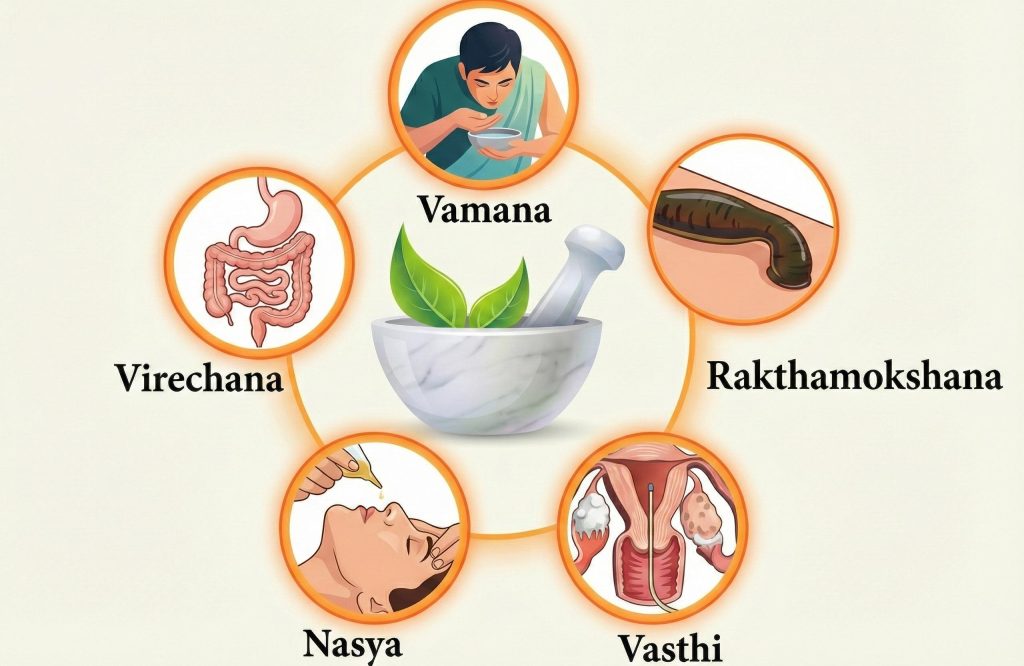
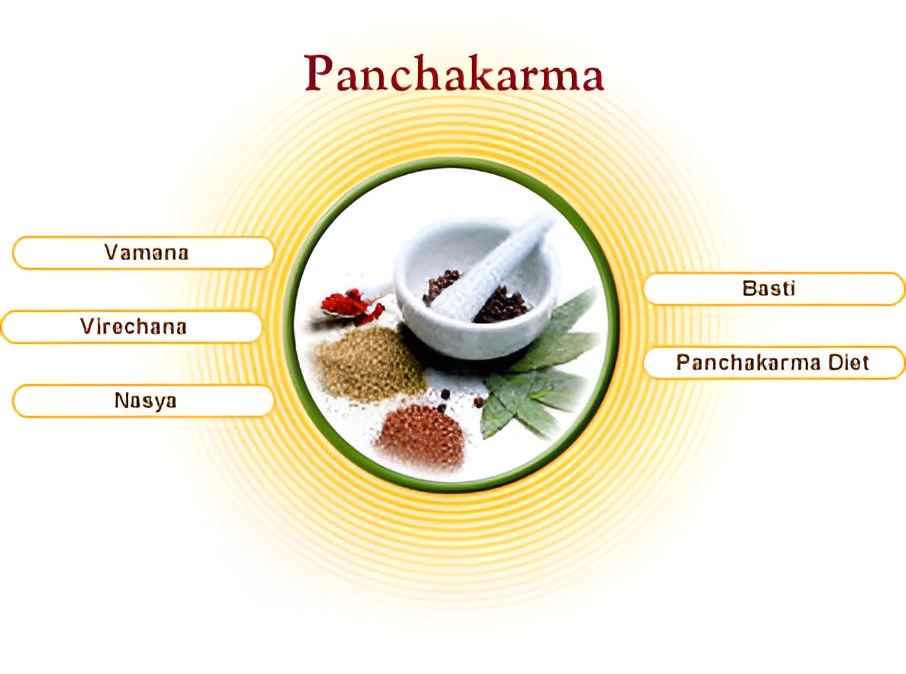
The word Panchakarma comes from two Sanskrit roots: pancha meaning five, and karma meaning action or procedure. Together, it refers to five therapeutic actions designed to purify the body at a deep tissue level.
Unlike Western detox programs that focus primarily on dietary restriction, Panchakarma works from the outside in and the inside out simultaneously. The aim isn’t limited to the digestive tract. In Ayurvedic terms the practice works on accumulated ama held in the muscles, joints, organs, and even your mental patterns.
Think of it this way: if a juice cleanse is like wiping down your kitchen counters, Panchakarma is a full renovation. You’re pulling up the floorboards and cleaning underneath.
An Ayurvedic practitioner doesn’t prescribe the same Panchakarma protocol for every person. Your treatment plan is based on your unique constitution — your dosha balance of Vata, Pitta, and Kapha — and the specific imbalances your body is carrying. This personalized approach is one of the Key reasons the results feel so different from generic wellness programs.
The Three Phases of Panchakarma
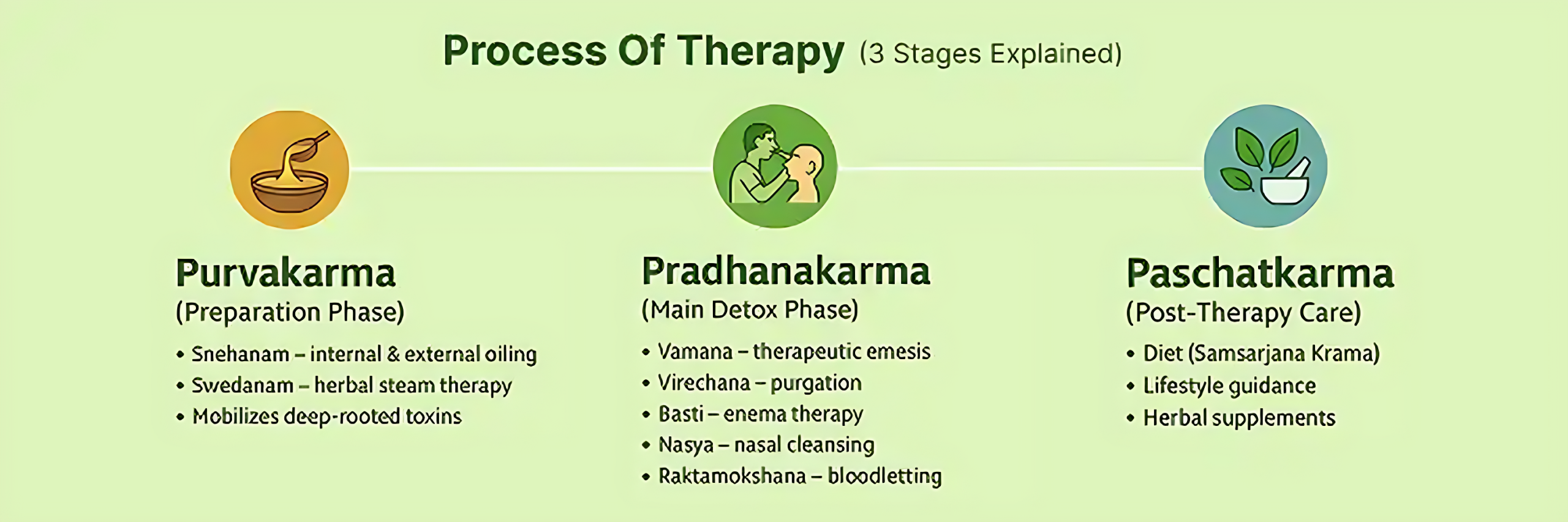
Most people think Panchakarma Detox is just the five therapies. In practice, the full process unfolds across three distinct phases, and skipping any one of them compromises the results.
Purvakarma: The Preparation Phase
Before any deep cleansing begins, your body needs to be prepared. This is where many Western detox programs fall short — they jump straight to elimination without loosening the toxins first.
Purvakarma typically involves two key practices:
Snehana (oleation therapy) involves the internal and external application of medicated oils. You may drink small quantities of ghee over several days, which might sound unusual, but the logic is sound. The oils are traditionally understood in Ayurveda to work on the deeper tissues during this stage. Externally, you’ll receive full-body oil massages — not the relaxation kind, but therapeutic, rhythmic strokes designed to push ama from peripheral tissues toward the digestive tract.
Swedana (sudation therapy) follows oleation. Using herbal steam baths, warm compresses, or heated treatment rooms, your therapist induces controlled sweating. This opens the body’s channels — called srotas — so that loosened toxins have a clear path for elimination.
The preparation phase typically lasts three to seven days. It’s gentle, deeply relaxing, and most people report feeling lighter even before the main treatments begin.
Pradhanakarma: The Five Core Therapie
This is the heart of the process. Not everyone receives all five procedures — your Ayurvedic doctor will select the ones most appropriate for your constitution and condition.
1. Vamana (therapeutic emesis)
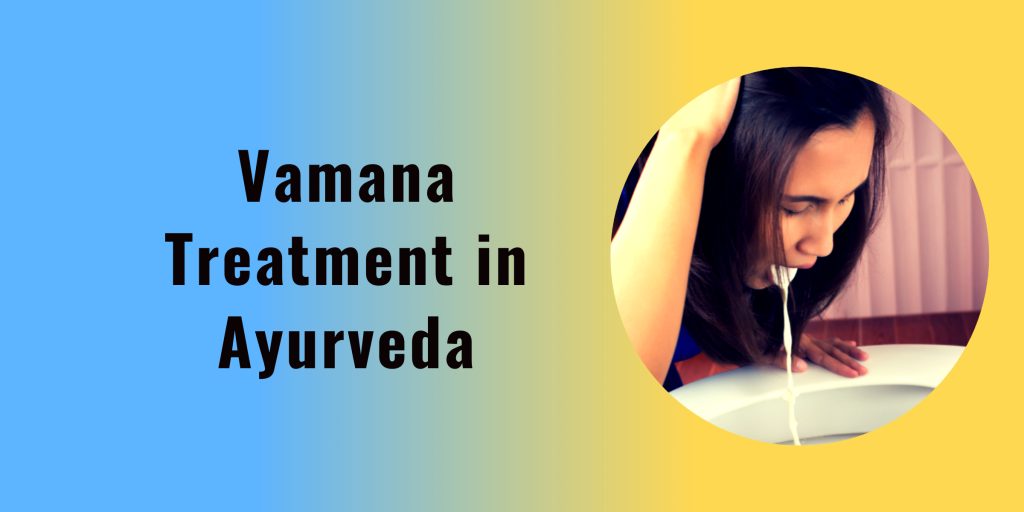
Vamana is a controlled, medically supervised process of therapeutic vomiting. Before you recoil — this isn’t the unpleasant experience it sounds like. After several days of careful preparation with specific foods and herbal medicines, the body is ready to release excess Kapha accumulation from the lungs and stomach. It’s primarily recommended for conditions like chronic respiratory issues, skin disorders, and persistent congestion. Many participants describe feeling an immediate sense of lightness in their chest and clarity in their breathing afterward.
2. Virechana (therapeutic purgation)
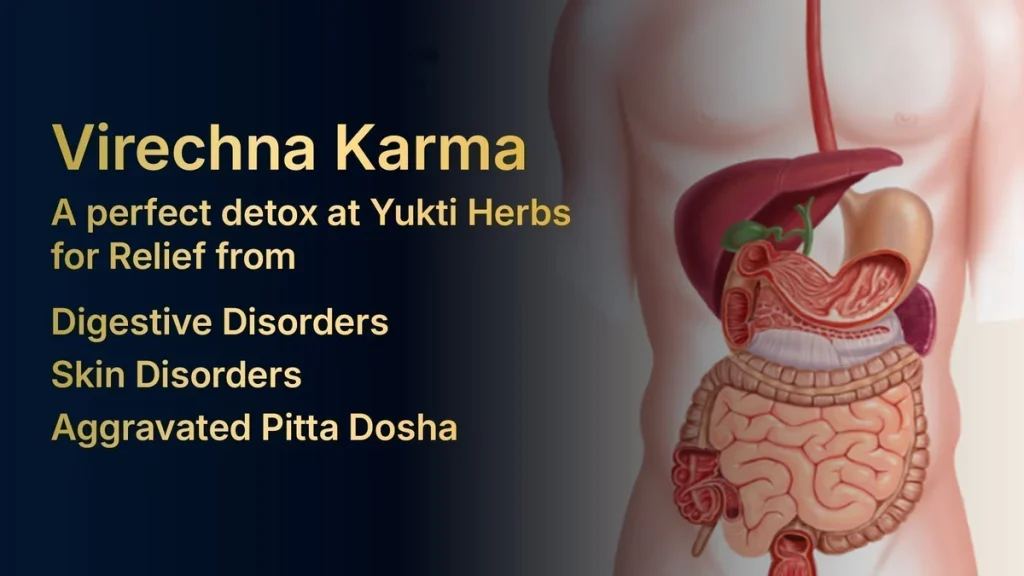
Virechana uses carefully selected herbal laxatives to cleanse the small intestine, liver, and gallbladder. It’s the go-to treatment for Pitta-related imbalances — think skin inflammations, acid reflux, hormonal disruptions, and chronic irritability. The process is methodical and controlled: your practitioner will time the treatment precisely based on your body’s signals.
3. Basti (medicated enema therapy)
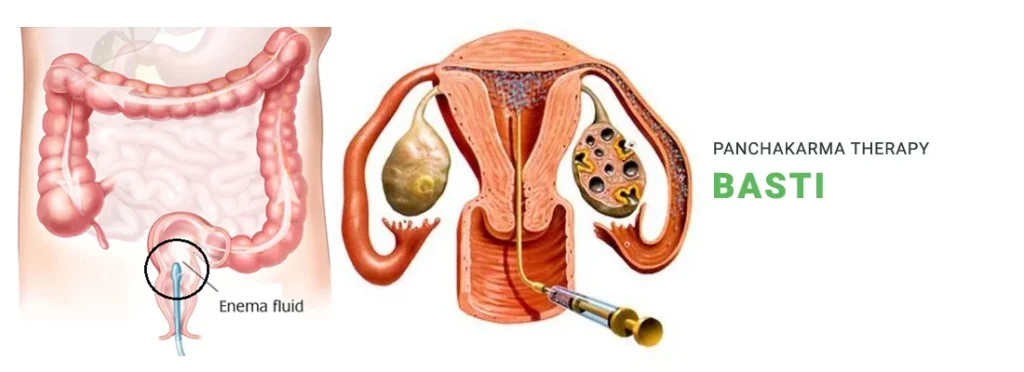
Considered the most important of all five procedures, Basti introduces herbal decoctions and medicated oils into the colon. This isn’t a simple colonic irrigation. The medicinal preparations are absorbed through the intestinal walls and reach tissues that oral medicines struggle to access. Basti is traditionally used in Ayurveda for Vata-related complaints such as joint discomfort, disturbed sleep, restlessness and fatigue. Treatment cycles can range from eight to thirty days depending on the condition being addressed.
4. Nasya (nasal administration)
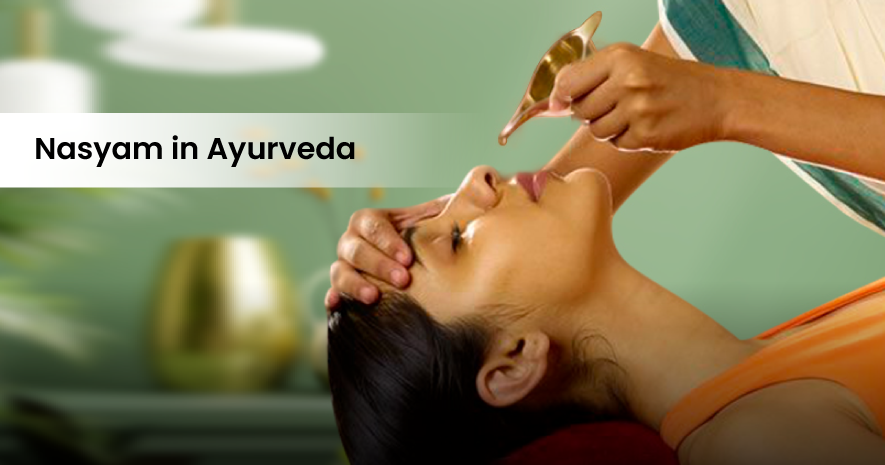
Medicated oils, herbal powders, or fresh juices are administered through the nostrils. In Ayurveda, the nose is considered the gateway to the brain, and Nasya is used to clear accumulated toxins from the head, sinuses, throat, and neck region. Detox If you suffer from chronic headaches, sinus congestion, brain fog, or even certain types of hair loss, Nasya may be a central part of your protocol.
5. Raktamokshana (blood purification)
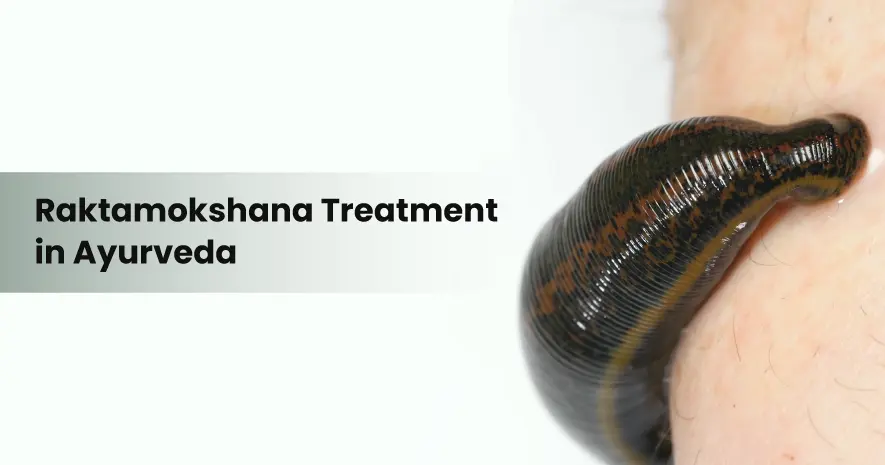
The least commonly administered of the five, Raktamokshana involves therapeutic bloodletting or blood purification. Today, most Ayurvedic centers use herbal blood-purifying therapies rather than the traditional leech application, though both methods are still practiced in classical settings. This therapy is traditionally used where Ayurveda associates blood-borne toxins with skin complaints, gout and certain inflammatory conditions.
Paschatkarma: The Rejuvenation Phase
This is the phase most people overlook — and it’s arguably the most important. After the body has been deeply cleansed, it’s in a vulnerable and receptive state. Paschatkarma is about rebuilding.
During this phase, you’ll follow a carefully graduated diet that reintroduces foods slowly. You’ll receive Rasayana (rejuvenation) therapies — herbal tonics and treatments intended to rebuild tissue strength, support natural resilience and settle the nervous system. Lifestyle recommendations for sleep, exercise, and daily routines are also prescribed.
Think of it as the aftercare that determines whether your results last three weeks or three years.
What Does Panchakarma Actually Feel Like?
Let’s move past the clinical descriptions. What do people actually experience?
The first few days of preparation are typically pleasant. The oil massages alone are worth the trip for many people. Your body starts to feel looser, warmer, and more relaxed.
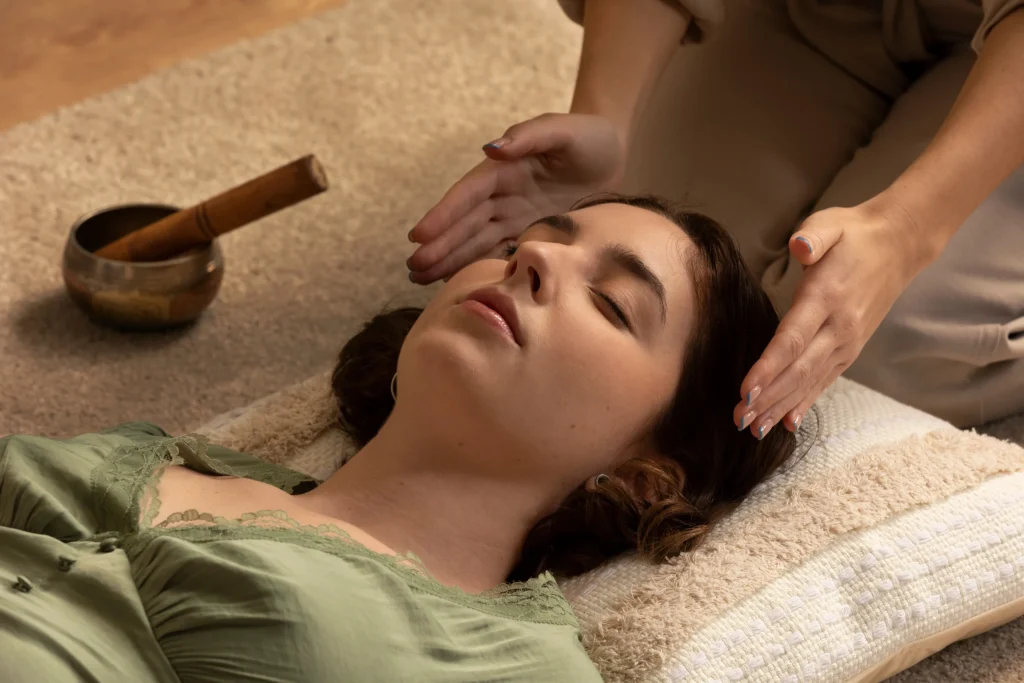
During the active treatment phase, things get more intense. Some people experience fatigue, emotional releases, vivid dreams, or temporary skin breakouts as toxins mobilize. Detox This isn’t a sign that something is going wrong — it’s a sign the process is working. Most Ayurvedic practitioners will warn you about this “healing crisis” in advance.
By the final days, the shift is often dramatic. Participants frequently report clearer skin, deeper sleep, reduced joint stiffness, sharper mental clarity, and a notable reduction in anxiety. Many describe it as feeling like they’ve been “reset” — not just physically, but emotionally and mentally.
The emotional component catches many Westerners off guard. Ayurveda doesn’t separate physical toxins from emotional ones. Stored stress, unprocessed grief, and chronic tension patterns often surface and release during treatment. It’s not uncommon to find yourself crying during an oil massage or laughing for no reason during a steam bath. This is considered a healthy and normal part of the process.
Why People Travel to Rishikesh for Panchakarma
You can find Panchakarma clinics in London, Los Angeles, and Sydney. So why do thousands of people still fly to India?
Authenticity of practice. Panchakarma Detox in India is administered by practitioners trained in Ayurveda for five and a half years at university level — the same duration as an MBBS medical degree. The depth of training matters. The herbs are locally sourced, freshly prepared, and prescribed within a living tradition rather than adapted for a Western commercial market.
Cost accessibility. A three-week Panchakarma Detox program in the West can cost $8,000 to $15,000. In Rishikesh, comparable or superior programs are available at a fraction of that price, making deep Ayurvedic treatment accessible to people who couldn’t afford it otherwise.
The environment. Rishikesh sits at the foothills of the Himalayas, where the Ganges flows clean and fast from its mountain source. The air quality, water purity, and natural stillness of the setting aren’t just nice extras — they actively support the detoxification process. Ayurveda considers environment a therapeutic factor, and Rishikesh offers one of the most healing landscapes on earth.
Integration with yoga. An Ayurveda retreat in Rishikesh typically combines Panchakarma Detox with daily yoga, pranayama, and meditation practice. This integration isn’t accidental. Yoga and Ayurveda are sister sciences — they evolved together and complement each other at every level. The yoga practice supports detoxification, while the Ayurvedic treatments deepen your yoga practice. It’s a feedback loop that neither discipline can create alone. Experience it firsthand on our Yoga, Ayurveda & Detox Retreat.
Read More: What to Expect on Your First Yoga Retreat in Rishikesh: A Day-by- Day Breakdown
Who Should Consider Panchakarma?
Panchakarma isn’t only for people who are ill. In fact, Ayurveda recommends seasonal cleansing for healthy individuals as a preventive practice. That said, people who often choose Panchakarma include those with ongoing digestive discomfort, skin concerns, low energy, disturbed sleep, joint stiffness, or anyone who simply feels “stuck” — physically, emotionally, or both. If you have a diagnosed medical condition, please check with your doctor first.
It’s also worth noting who should proceed with caution. Pregnant women, individuals with acute infections, and those with certain heart conditions should consult both their Western physician and a qualified Ayurvedic practitioner before beginning any Panchakarma Detox program.
Making the Decision
If you’ve read this far, you’re probably past casual curiosity. You’re weighing whether Panchakarma is worth the time, the investment, and the journey. Here’s what experienced practitioners will tell you: Panchakarma isn’t a vacation. It’s a commitment to your own healing. The process asks you to slow down, surrender control, and trust a system that has been refining itself for three millennia. For most people who take that step, the experience becomes a turning point — the moment they stopped managing their symptoms and started addressing their root causes.
The best place to start is a conversation with a qualified Ayurvedic practitioner who can assess your constitution and recommend the right program duration and intensity for your needs. If you’re considering combining Panchakarma with yoga and meditation in an immersive setting, an Ayurveda retreat in Rishikesh offers the complete experience within one of the world’s most powerful healing environments.
Your body has been carrying things for years that it’s ready to let go of. Panchakarma simply gives it permission.
Deepen Your Practice by the Holy Ganga
From 3, 5, 7 & 14-day all-inclusive Yoga Retreats (starting at $155) to Yoga Alliance certified Teacher Trainings, Om Setu Yogashala hosts immersive programs led by traditional Himalayan masters.
Related Articles & Recommended Reading: