You’ve been staring at your screen for weeks, scrolling through retreat listings, reading reviews, and wondering the same thing: what actually happens when I get there? You’re not alone. Most first-timers feel a mix of excitement and low-grade anxiety before their first yoga retreat in Rishikesh — and the biggest fear isn’t the yoga. It’s the unknown.
This guide is going to fix that. No vague promises about “transformation” or “finding yourself.” Just a clear, honest look at what your days will actually look like — from the moment you arrive to the bittersweet goodbye at the end.
If this is your first time, start with our buyer’s guide to choosing a yoga retreat in Rishikesh before comparing programs.
Why Rishikesh? A Quick Reality Check
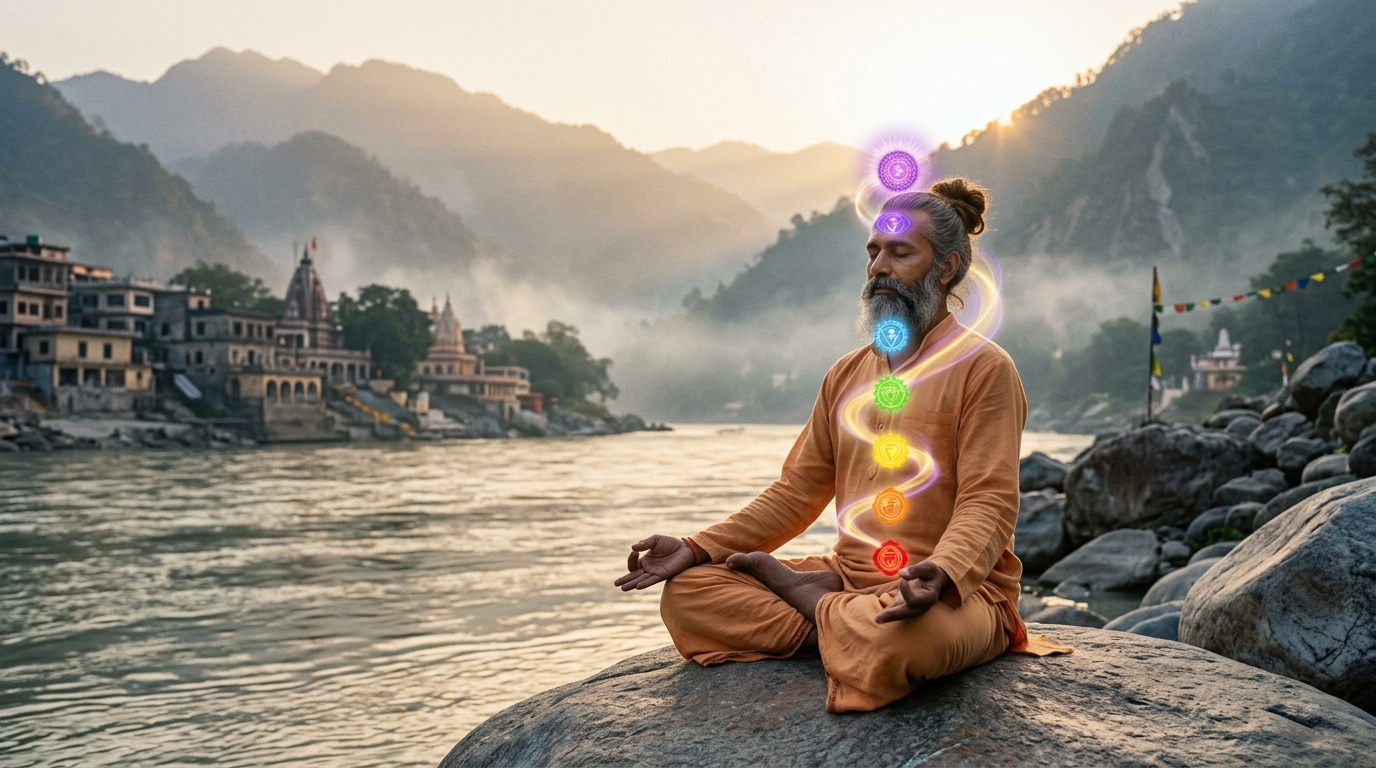
Before we get into the daily schedule, let’s address the elephant in the room. Rishikesh isn’t a luxury beach resort with yoga bolted on as an afterthought. It’s a small city nestled in the foothills of the Himalayas, sitting on the banks of the Ganges River, and it has been a destination for serious spiritual seekers for centuries.
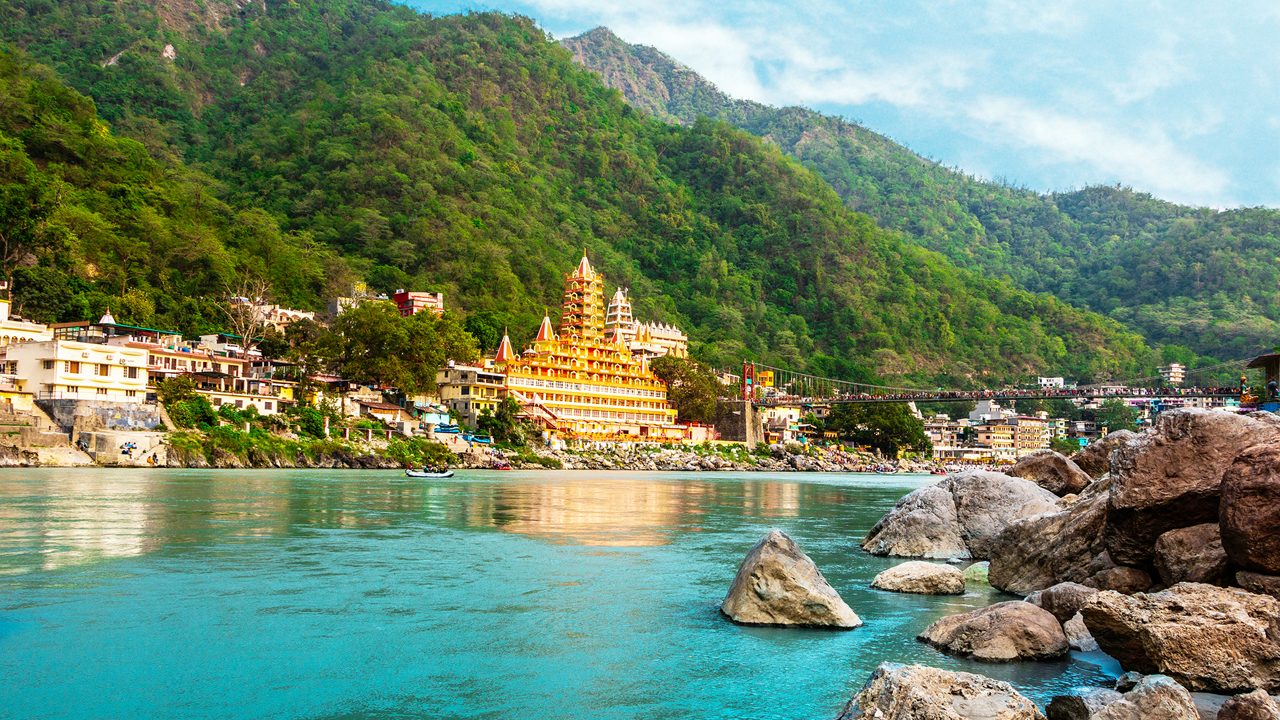
That means you’ll hear temple bells at dawn, see sadhus walking barefoot along the ghats, and eat simple vegetarian food. It also means the experience goes deeper than what you’d get at a polished resort in Bali or Tulum. The yoga here isn’t a product — it’s part of the city’s DNA.
If that sounds a little intimidating, good. That slight discomfort is exactly where the growth happens.
Do You Need Any Yoga Experience?
No. This is the most common worry first-timers bring, and it is the easiest one to put down. A retreat is not an exam and nobody is marking your poses. Most groups in Rishikesh are a mix of complete beginners and people who have practised for years, and the teaching is built around exactly that.
If you are new, the useful thing to let go of is the idea that you should be chasing advanced postures. Everything is guided, props and modifications are normal, and the point of the week is to learn how the practices feel rather than how they look. Turning up willing to try is genuinely all the preparation you need.
Day 1: Arrival and Settling
In Most yoga retreats in Rishikesh begin with a relatively gentle first day. You’ll typically arrive in the afternoon after traveling from Delhi — either by a six-hour drive through increasingly green and hilly terrain, or by train to Haridwar followed by a short taxi ride.
What to expect on arrival day:
Your retreat center will greet you, show you to your room, and give you time to decompress. Rooms vary by center, but expect something clean, simple, and functional. Think comfortable bed, private or shared bathroom, and a fan or heater depending on the season. This isn’t a five- star hotel — and that’s intentional. The simplicity helps you unplug.
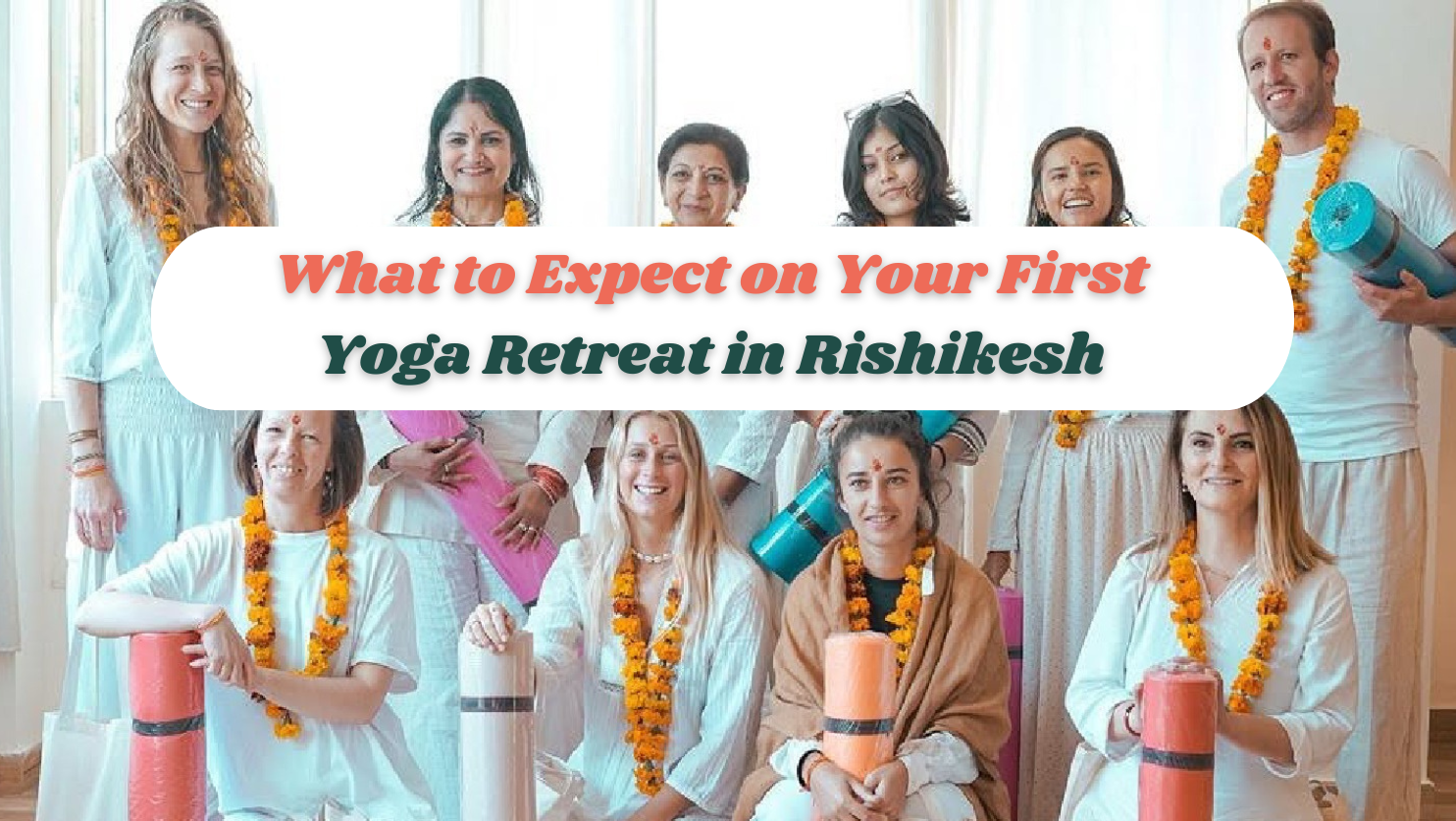
In the evening, most retreats hold an orientation session. You’ll meet the other participants (usually a small group of eight to twenty people from all over the world), learn the daily schedule, and get a feel for the space. Some centers also hold a brief opening ceremony or meditation to mark the beginning of the retreat.
Pro tip: Don’t plan anything ambitious for your first evening. Jet lag, travel fatigue, and altitude adjustment are real. Eat lightly, drink water, and get to bed early.
Day 2-3: The Adjustment Phase
Here’s where the real schedule kicks in, and here’s where most first-timers have their biggest “what have I done?” moment.
A typical daily schedule:
6:00 AM — Wake up. Yes, it’s early. Most centers ring a bell or play a gentle chime. You’ll resist this for exactly two days before your body adjusts.
6:30 AM — Morning pranayama and meditation. This is usually thirty to forty-five minutes of breathwork and guided or silent meditation. For many Western visitors, this is the most unfamiliar part of the day. Sitting still with your thoughts at dawn, with the sound of the Ganges in the background — it’s simple, but it’s powerful.
7:30 AM — Morning asana class. This is your main physical yoga session, typically ninety minutes. Depending on the retreat, this might be Hatha, Vinyasa, or Ashtanga-based. Classes are usually taught in English and adapted for all levels.
9:30 AM — Breakfast. Expect simple, nourishing Indian vegetarian food. Fresh fruit, porridge, herbal tea, maybe some dal and chapati. No coffee at most traditional centers (herbal alternatives are usually available).
11:00 AM – 1:00 PM — Free time or workshops. Some retreats offer optional sessions during this window — yoga philosophy lectures, Ayurveda workshops, mantra chanting, or anatomy discussions. Others leave this as free time for journaling, reading, or exploring the area.
1:00 PM — Lunch. This is usually the main meal of the day. Rice, dal, vegetables, salad, and sometimes a sweet. Meals are eaten together in a communal dining area.
2:00 PM – 4:00 PM — Rest period. Nap. Read. Sit by the river. Walk into town. This unstructured time is one of the most underrated parts of the retreat. Your brain needs downtime to process what’s happening.
4:30 PM — Afternoon asana class. Usually a gentler session than the morning — restorative yoga, yin yoga, or alignment-focused work.
6:30 PM — Evening meditation or Ganga aarti. Some retreats take the group to attend the famous aarti ceremony on the ghats, where priests perform a fire ritual as the sun sets over the river. It’s an experience that stays with you.
7:30 PM — Dinner. A lighter meal — soup, salad, or kitchari. Most retreats keep dinner light to support better sleep and morning practice.
9:00 PM — Lights out (or at least quiet time).
The adjustment is real
During days two and three, expect sore muscles, an earlier bedtime than you’ve had since childhood, and possibly some emotional processing. Many participants report feeling surprisingly teary or irritable around day two. This is completely normal. You’re removing the noise and distractions of your daily life, and whatever was underneath starts to surface. The teachers at any good yoga retreat center are well aware of this and will support you through it.
Day 4-5: Finding Your Rhythm
Something shifts around day four. Your body starts waking up before the bell. The morning meditation feels less like a chore and more like an anchor. You start to notice small things — the quality of the light at dawn, the taste of the food, the way your breath sounds in a quiet room.
This is also when the community aspect of the retreat in rishikesh starts to deepen. Those strangers from day one become genuine companions. Shared meals, shared challenges, and shared silence create bonds that are surprisingly strong.
By day five, you’ll likely notice tangible changes. Better sleep. Improved flexibility. A calmer mind. Some people describe it as feeling “lighter” — not in weight, but in mental load.
Things you might do during this phase:
Explore yoga retreat in Rishikesh during your free time. Walk across Laxman Jhula or Ram Jhula (the iconic suspension bridges). Browse the small shops selling crystals, yoga clothes, and handmade journals. Sit in a riverside café and watch the world go by. Visit the Beatles Ashram for a dose of history and incredible graffiti art.
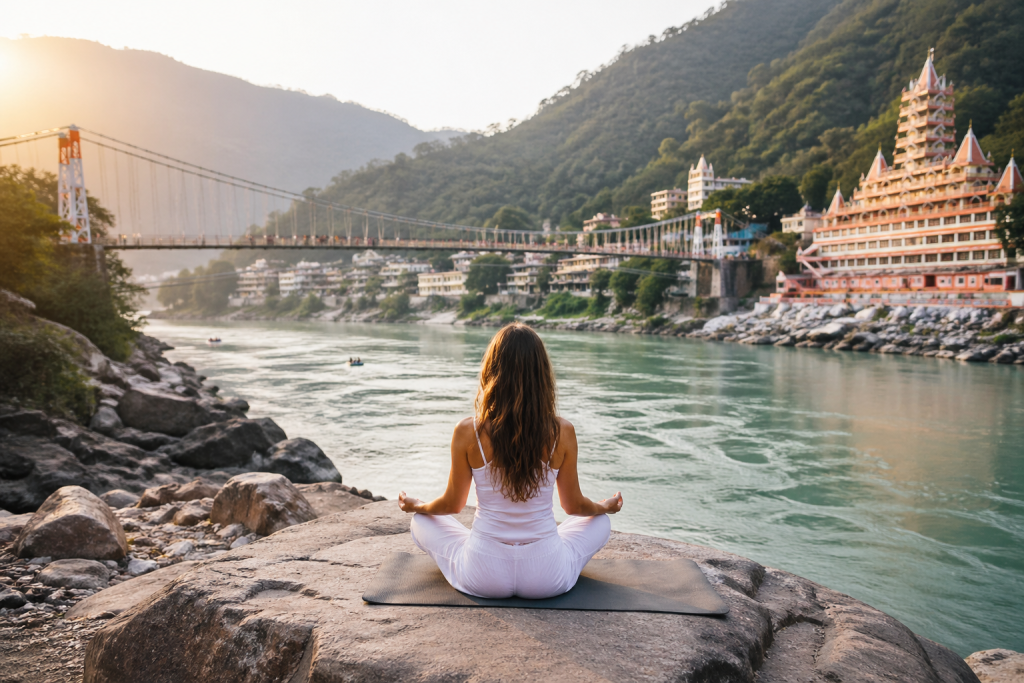
Or do nothing at all. That’s equally valid.
Day 6-7: Going Deeper
The final days of a week-long retreat in rishikesh are where things get interesting. Your body is adapted, your mind is quieter, and the practices start to land differently.
Many yoga retreat centers in Rishikesh save their more advanced or intensive sessions for this phase. You might experience a longer meditation sit, a more challenging asana practice, or a deeply restorative yoga nidra session that leaves you feeling like you’ve slept for twelve hours.
This is also when teachers often share deeper aspects of yoga philosophy — not in an academic way, but in a practical, applicable way. How do you take what you’ve learned here and bring it home? How do you maintain a practice when you’re back in your apartment in London or Brooklyn or Melbourne?
The closing ceremony on the final day is usually simple and moving. Some retreats include a fire ceremony (havan), a group meditation, or simply a circle where each participant shares a word or intention. There are usually tears. There are always hugs.
Read More: Meditation Techniques On Retreat: A Best Journey to Calm, Clarity & Self-Awareness
How Deep You Go Depends on How Long You Stay
The length of the retreat shapes the syllabus more than anything else. On a short three- or five-day stay you will work with foundational asana, basic pranayama and the ideas behind them. On a two-week or longer retreat there is room for intermediate practice, longer holds and more detailed philosophy sessions. Neither is better — they answer different questions.
Extras worth asking about. Some centres include a complimentary Ayurvedic massage, a short consultation with an Ayurvedic vaidya, or a diet and lifestyle conversation as part of the package. These are rarely spelled out on the booking page, so ask before you book.
What Most Guides Won’t Tell You
You don’t need to be flexible. Seriously. If you can breathe, you can do this yoga retreat in rishikesh. Teachers modify poses for every body type and experience level.
You might get sick. A mild stomach adjustment is common in the first day or two. Drink bottled water, eat what the retreat serves (they know what’s safe), and bring basic medication just in case.
Silence is part of it. Some retreats include partial silence (no talking during meals or before noon). This isn’t punishment — it’s one of the most restorative parts of the experience.
You will miss it when it’s over. Almost every retreat participant says some version of “I didn’t want to leave.” That feeling is worth paying attention to — it’s telling you something about what your regular life might be missing.
Read More: Apana Vayu Mudra Benefits
How to Pick a Beginner-Friendly Retreat
Search the way retreats describe themselves. Listings that say beginner-friendly, all levels welcome, or no experience required are telling you something real about how the week is pitched. A programme that leads with “intensive” or “advanced” is telling you something too.
Look at who is actually teaching. An experienced, certified teacher matters more than a pretty room. Good teachers know which modifications and props make a pose workable for a new body, and they know when to tell the group to rest rather than push on.
Read the daily schedule before you pay. A packed timetable with two demanding physical sessions and almost no unstructured time is hard going for a first retreat. A gentler schedule with real rest periods will teach you more, because you will still be able to think by day four.
Start short. If you are unsure, a shorter retreat at a certified centre is the low-risk way in. You will find out quickly whether it suits you, and you can always come back for longer.
Is a Yoga Retreat in Rishikesh Right for You?
If you’ve been practicing yoga for a while and want to go deeper, yes. If you’ve never done yoga but feel pulled toward something more meaningful than a beach vacation, also yes. If you’re burned out, overwhelmed, or just curious — absolutely yes.
Yoga retreat in Rishikesh doesn’t require you to be a certain kind of person. It just requires you to show up.
If you’re considering making the trip, explore the yoga retreat programs at Om Setu yogashala in Rishikesh to find a schedule and style that fits your experience level. Whether you’re a complete beginner or a seasoned practitioner, the right yoga retreat in rishikesh can meet you exactly where you are.
Deepen Your Practice by the Holy Ganga
From 3, 5, 7 & 14-day all-inclusive Yoga Retreats (starting at $155) to Yoga Alliance certified Teacher Trainings, Om Setu Yogashala hosts immersive programs led by traditional Himalayan masters.
Related Articles & Recommended Reading: