Rishikesh brings to mind the beautiful Himalayan hills, the flowing waters of the Ganga River, peaceful surroundings, and the practice of yoga and meditation. Often called the City of Saints, Rishikesh has long been a popular destination for spirituality and yoga. People from across India and around the world come here to practice yoga, meditate, explore Indian traditions, or simply enjoy some quiet time close to nature.
If you are visiting Rishikesh for a yoga retreat, exploring its best temples can make your stay more special. Along with visiting temples, you can attend morning prayers, join meditation sessions, witness the evening Ganga Aarti, or spend some quiet time by the river. These small experiences help you learn more about the spiritual side of Rishikesh and its local traditions.
Most Famous Temples in Rishikesh
In this article, we will look at some of the best temples in Rishikesh that you can visit during your stay.
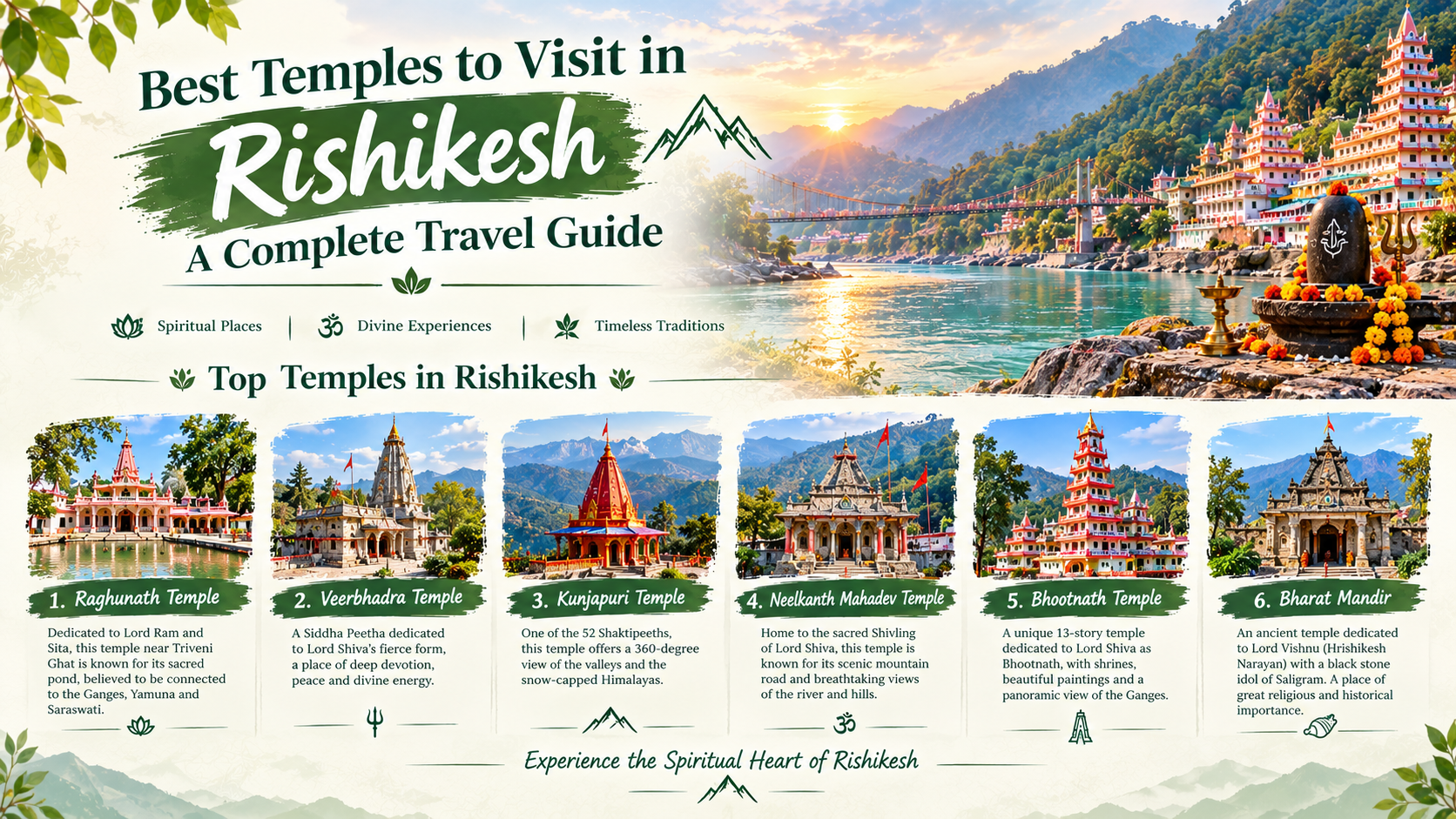
1. Raghunath Temple
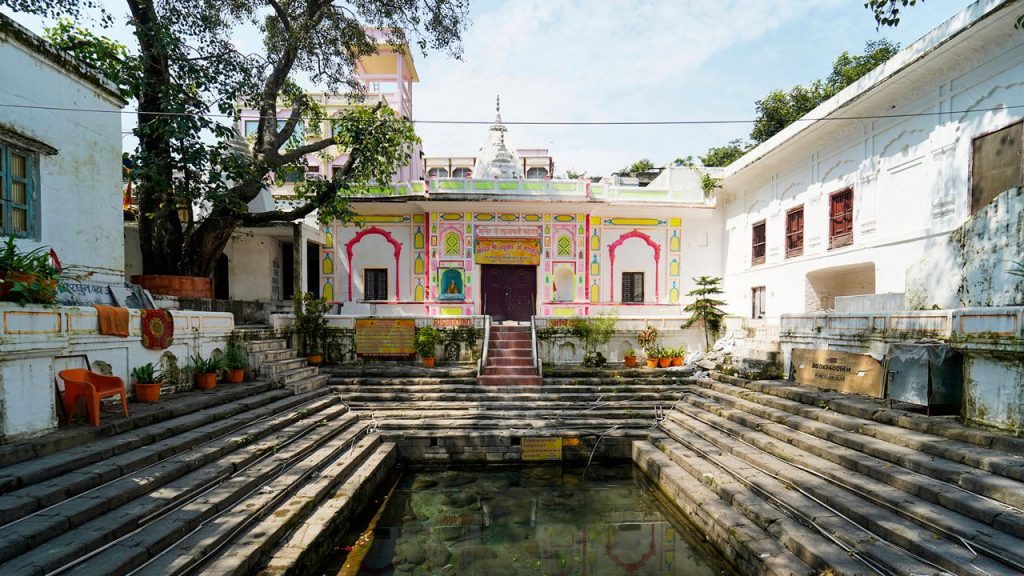
Raghunath Temple is located in the heart of Rishikesh city, near Triveni Ghat. Locally known as the Ram Mandir, this temple is dedicated to the Hindu deity Lord Shri Ram and his wife, Goddess Sita. It is a spiritual place where devotees come to offer prayers and spend some time in peace. There is a small, sacred pond built right in the center of the temple complex, which is home to many fish and turtles.
It is believed that Lord Ram visited this place during his exile and bathed in this sacred pond. There is also a traditional belief that the waters of the Ganges, Yamuna, and Saraswati are connected to this sacred site. The temple has a calm atmosphere and is a good place to experience the traditional and devotional side of Rishikesh.
2. Veerbhadra Temple
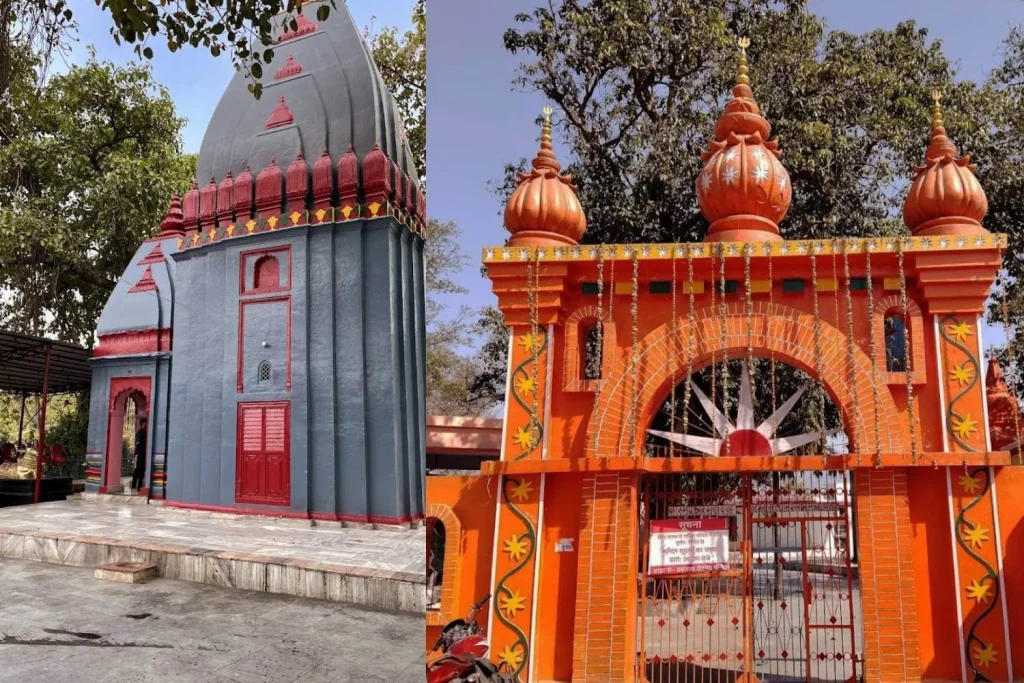
Veerbhadra Temple is a Siddha Peetha and holds a special significance in the religious customs of Rishikesh. According to Hindu mythology, Veerabhadra is a fierce form of Lord Shiva born out of his wrath. When King Daksha, the father of Goddess Sati, insulted Lord Shiva by not inviting him to the Yajna, Sati killed herself in the holy fire.
On hearing this, Lord Shiva was very angry. He thrashed his matted locks on the ground, and Veerbhadra Mahadev manifested as a furious form of Shiva. Mahashivratri is celebrated with great devotion here every year. If you are looking for a divine experience and a peaceful ambiance, you must visit this temple at least once to seek the blessings of Lord Shiva.
3. Kunjapuri Temple
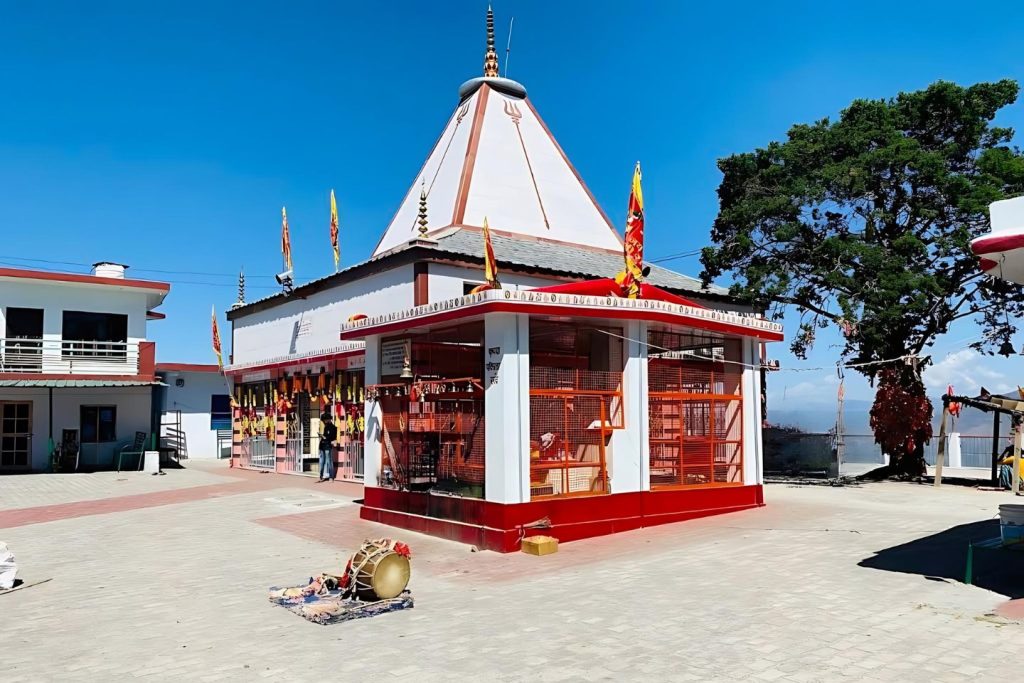
The Kunjapuri Devi Temple is one of the most revered temples in Rishikesh and one of the fifty-two Shaktipeeths. Shaktipeeths are sacred sites where parts of Goddess Sati’s body fell while being carried by Lord Shiva. Kunjapuri Temple is one of the sacred Shaktipeeths where the upper part of the body of Goddess Sati fell. This temple is situated on top of a mountain, from where tourists can enjoy a 360-degree view of the surrounding valleys and the snow- capped Greater Himalayan Range. The temple, the mountains, the fresh air, and the quiet surroundings make Kunjapuri a meaningful place to visit on a yoga retreat.
4. Neelkanth Mahadev Temple
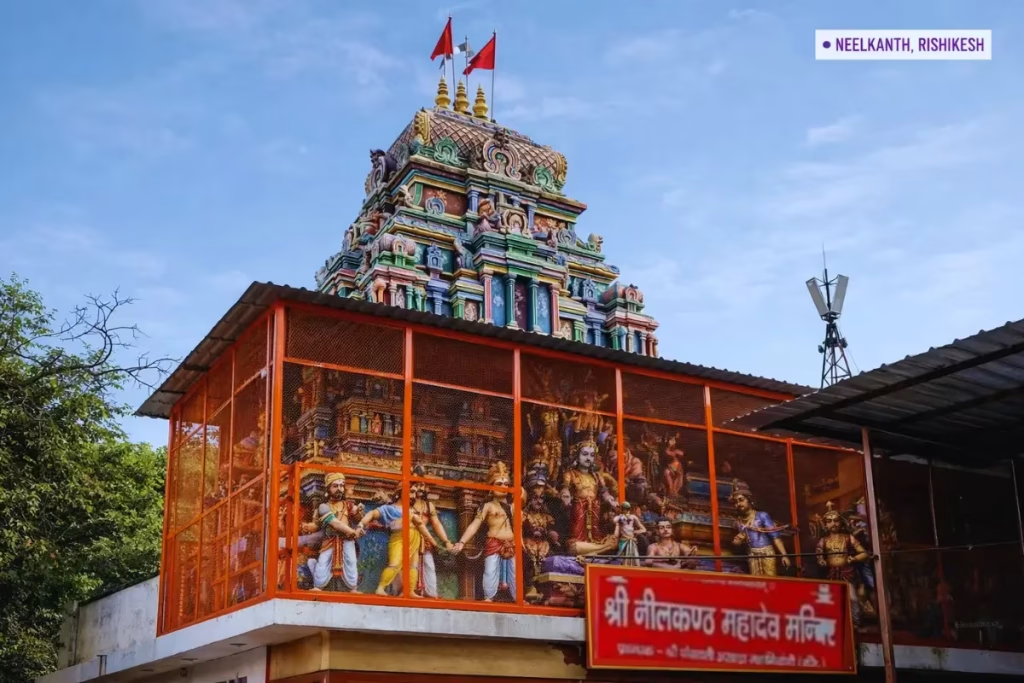
Another famous temple near Rishikesh is the Neelkanth Mahadev Temple, where Lord Shiva resides in the form of a Shivling. In Hindu mythology, Lord Shiva is known as ‘Neelkanth’ or ‘the blue-throated one’ because his throat turned blue when he drank the poison that emerged from the churning of the cosmic ocean by the gods and demons. The road to Neelkanth Temple is through the mountains, and the scenery is incredibly beautiful. One side has views of the river, the other side has the mountains with lush greenery, and the whole experience is amazing. For those on a spiritual journey, a visit to this very sacred place would certainly add more to their experience.
5. Bhootnath Temple
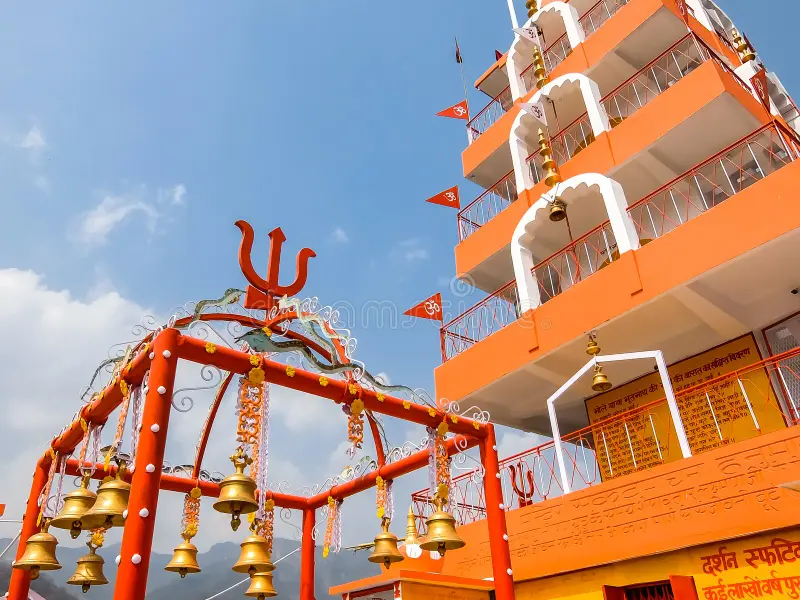
The Bhootnath Temple in the Swarg Ashram area of Rishikesh is a unique one in itself. This famous 13-story temple is dedicated to Lord Shiva in his manifestation as Bhootnath (the Lord of all living beings and spirits). According to Hindu mythology, Lord Shiva and his wedding procession rested at this spot while on their way to marry Goddess Sati.
Many sages, spirits, and animals were part of his wedding procession; that is why this temple was named the ‘Bhootnath Temple.’ There are several small shrines on the various floors of this temple, along with paintings showing scenes from Lord Shiva’s wedding procession. The upper floors also provide tourists with a beautiful panoramic view of the surrounding hills and the Ganges.
6. Bharat Mandir
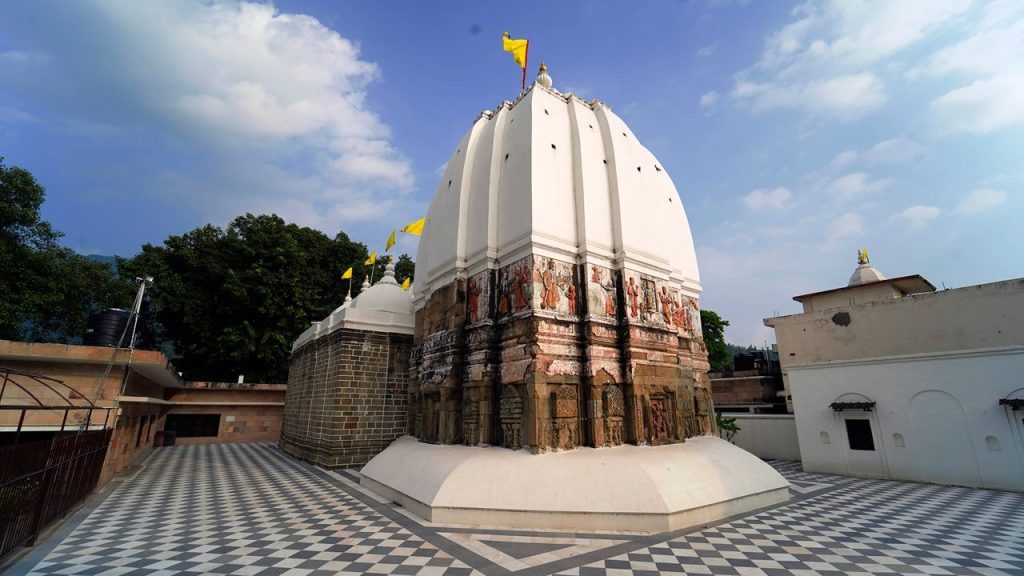
Right in the heart of the city, and very near to Triveni Ghat, is the ancient Bharat Mandir. This temple is dedicated to Lord Vishnu, who is worshiped as Hrishikesh Narayan here. The main idol of Lord Vishnu is carved from a single black stone called the Saligram. The temple is of great religious importance and attracts devotees from all over the year. Basant Panchami is celebrated with special devotion here, with prayers and traditional rituals taking place at the temple. Bharat Mandir is a good place for visitors who want to experience the religious and historical side of Rishikesh.
Read More: Best Cafes and Restaurants in Rishikesh: Top 7 Places for Yogis & Travelers
Temple Etiquette & Visitor Tips for Rishikesh
Visiting temples in Rishikesh is a deeply serene and transformative experience, whether you are attending a morning puja or sitting quietly in meditation. To honor local traditions and show reverence for these sacred sanctuaries, keep the following practical tips in mind:
- Dress Respectfully: Wear modest clothing that covers your shoulders and knees. Loose cotton wear, traditional kurtas, or shawls are ideal and comfortable for temple steps.
- Remove Footwear: Always take off your shoes and sandals at the designated footwear counters before stepping into the temple compound. It is customary to wash your feet and hands if water taps are provided.
- Photography Etiquette: While photographing the temple architecture, mountain views, and courtyards is often permitted, taking pictures inside the inner sanctum (Garbhagriha) is strictly prohibited. Always look for signage or ask the temple priest.
- Prasad and Offerings: Devotees often offer flowers, coconuts, or sweets to the deity. When receiving Prasad (blessed food or sweets) from the priest, accept it with both hands or your right hand open, never with the left hand alone.
- Quiet Contemplation: Keep mobile phones on silent mode. Temples in Rishikesh are living places of prayer and dhyana (meditation) for pilgrims from all walks of life.
Deepen Your Practice by the Holy Ganga
From 3, 5, 7 & 14-day all-inclusive Yoga Retreats (starting at $155) to traditional temple visits, sacred Ganga ceremonies, and authentic ashram living, Om Setu Yogashala hosts immersive retreats in Tapovan, Rishikesh.
Frequently Asked Questions About Rishikesh Temples
1. Which is the oldest temple in Rishikesh?
The Bharat Mandir, located in the old town near Triveni Ghat, is widely recognized as the oldest temple in Rishikesh. It was consecrated in the 8th century CE by Jagadguru Adi Shankaracharya and houses a single black Saligram stone idol of Lord Vishnu.
2. How far is Neelkanth Mahadev Temple from Tapovan and Laxman Jhula?
Neelkanth Mahadev Temple is approximately 32 km by road from Laxman Jhula and Tapovan. The drive through forested mountain ghats takes around 1.5 to 2 hours. For avid hikers, there is also an ancient 14 km trekking path through the Rajaji National Park forest.
3. What is the best time to visit Kunjapuri Devi Temple?
The best time to visit Kunjapuri Temple is early morning at sunrise (around 5:30 AM to 6:30 AM). At this hour, the first rays of sunlight illuminate the snow-clad peaks of the Greater Himalayas, offering one of the most magnificent panoramic vistas in all of Uttarakhand.
4. Is there an entry ticket or fee for visiting temples in Rishikesh?
No, there is no entry fee for visiting any of the sacred Hindu temples in Rishikesh. Entry is open and free to all spiritual seekers and tourists. Voluntary donations (Dakshina) to temple funds or priests are completely optional.
5. What should I wear when visiting temples in Rishikesh?
Visitors should wear comfortable and modest clothing covering their shoulders and knees. Shorts, sleeveless tops, and revealing beachwear are not permitted inside temple sanctums. Traditional Indian wear like kurtas, salwar kameez, or loose yoga trousers are ideal.
Rishikesh has a rich spiritual association since ancient times, and there are many beautiful temples here. This is why we take our yoga retreat participants to visit some nearby temples during their stay. This gives them a chance to know about Hindu traditions, be familiar with local beliefs and mythological legends, and enjoy the serene environment of Rishikesh. We want our participants to take back home not only the experience of yoga but also beautiful memories of Rishikesh and its spiritual heritage.