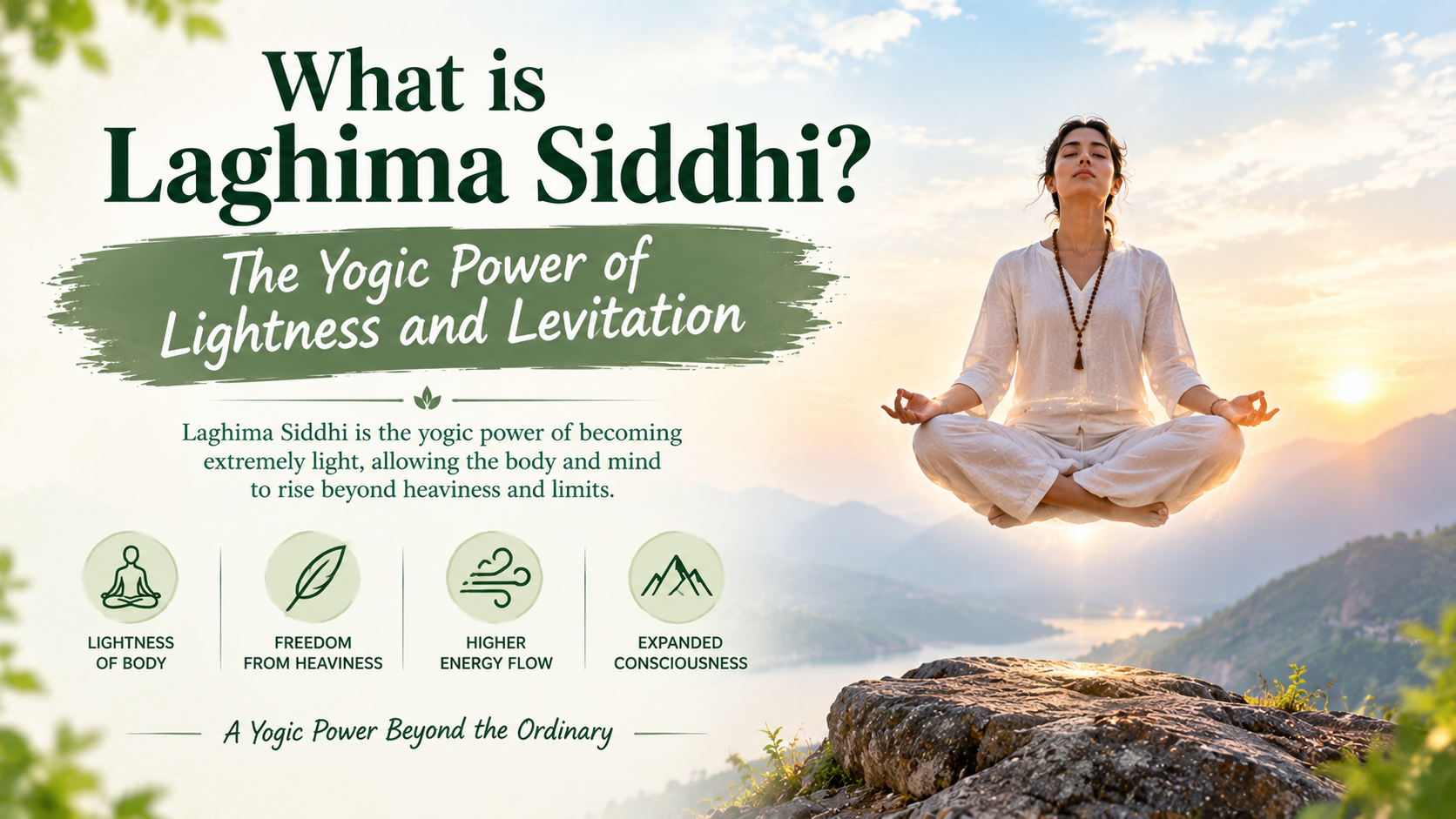
What is Laghima Siddhi?
Laghima Siddhi is one of the eight classical yogic accomplishments (Ashta Siddhis) described in Patanjali’s Yoga Sutras and revered in sacred Hindu scriptures such as the Hanuman Chalisa. Siddhis are extraordinary spiritual faculties attained through deep meditation, pranayama, and unwavering yogic devotion. Specifically, Laghima Siddhi is the yogic power of becoming completely weightless—as light as air or a feather—allowing an adept to transcend gravitational pull and float effortlessly during deep sadhana.
According to Patanjali’s Yoga Sutras, when a practitioner dedicates years of disciplined practice to Yama, Tapas, Dharana (concentration), and Dhyana (meditation)—alongside fellow Ashta Siddhis like Anima Siddhi (becoming infinitesimally small) and Prakamya Siddhi (irresistible willpower)—they transcend the dense limitations of the physical body and experience profound lightness on both the physical and spiritual planes.
The Meaning and Sanskrit Origin of Laghima
The term Laghima originates from the Sanskrit root “Laghu”, which means “light,” “weightless,” or “subtle.” In yogic philosophy, Laghima represents mastery over density and gravity. Just as Lord Hanuman could soar effortlessly across the ocean despite his immense strength, ancient Himalayan yogis cultivated this virtue through decades of spiritual discipline and pranic mastery.
Moreover, Laghima Siddhi is not mere folklore; in the yogic tradition, it represents the elevation of human consciousness above gross material density through focused awareness and pranic control.
How Laghima Siddhi Works According to Patanjali’s Yoga Sutras
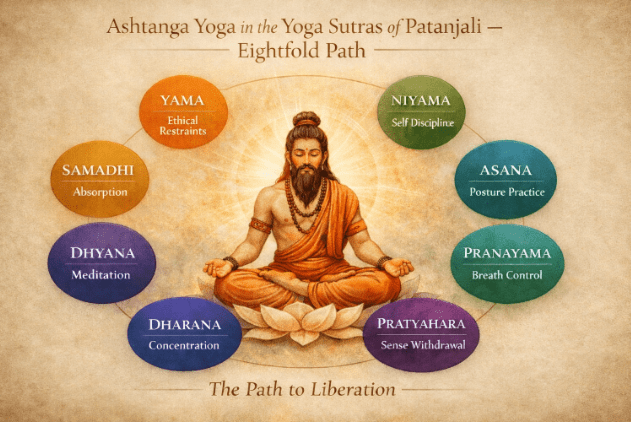
In the Vibhuti Pada (Chapter 3, Sutra 40) of Patanjali’s Yoga Sutras, Maharishi Patanjali explains that by performing Samyama (the combined practice of concentration, meditation, and absorption) on Udana Vayu (the upward-moving vital air), a yogi overcomes the pull of water, mud, thorns, and gravity, attaining complete lightness. Beyond the physical realm, this power frees the practitioner from emotional heaviness and mental burdens.
Attaining this state of weightlessness requires disciplined sadhana, years of consistency, inner purification (Saucha), and unwavering focus.
How Ancient Yogis Cultivated Laghima Siddhi
In classical Hatha and Raja Yoga, masters followed three foundational pillars to awaken Laghima Siddhi:
1. Mastery of Udana Vayu & Pranayama
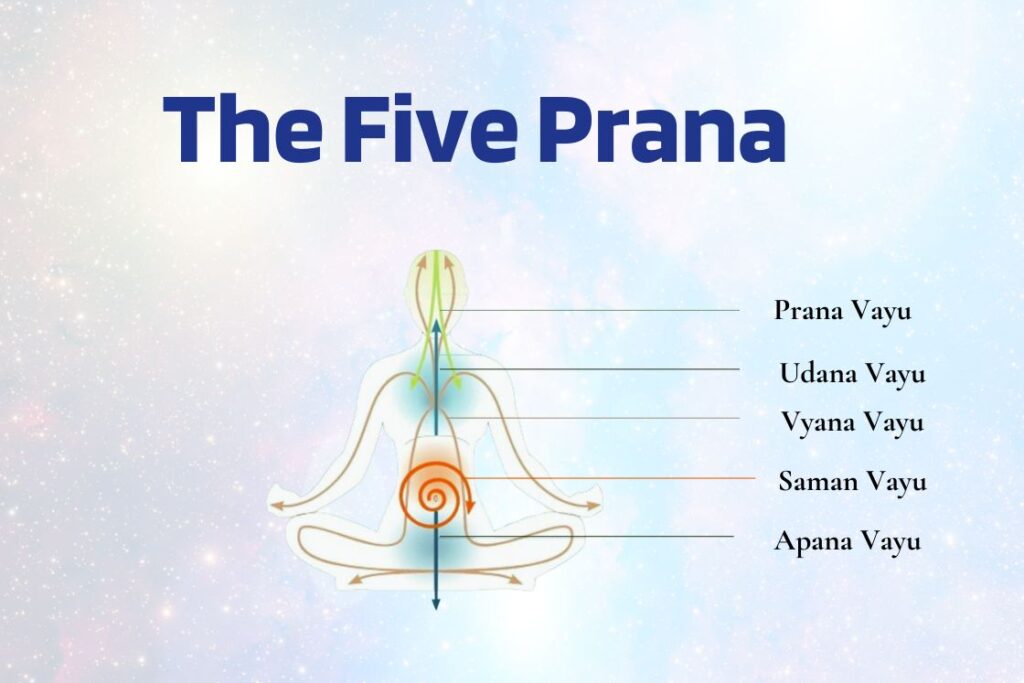
There are five major Vayus (vital currents) of Prana in the human body, and one of the most important is Udana Vayu. Located in the throat and head region, Udana Vayu naturally flows upward. Through advanced pranayama, bandhas (energy locks), and yogic sadhana, a practitioner gains conscious mastery over Udana Vayu—allowing upward pranic force to counteract downward gravitational pull.
2. Sattvic Diet and Purification of the Physical Body

Higher siddhis can only blossom when the body and energy channels (nadis) are pure. Mental impurities (vikaras) and heavy, tamasic foods weigh down both body and mind. Therefore, yogis follow a pure sattvic diet alongside Shatkarma (six yogic cleansing techniques) for years to cultivate physical and energetic lightness.
3. Deep Dhyana (Meditation)
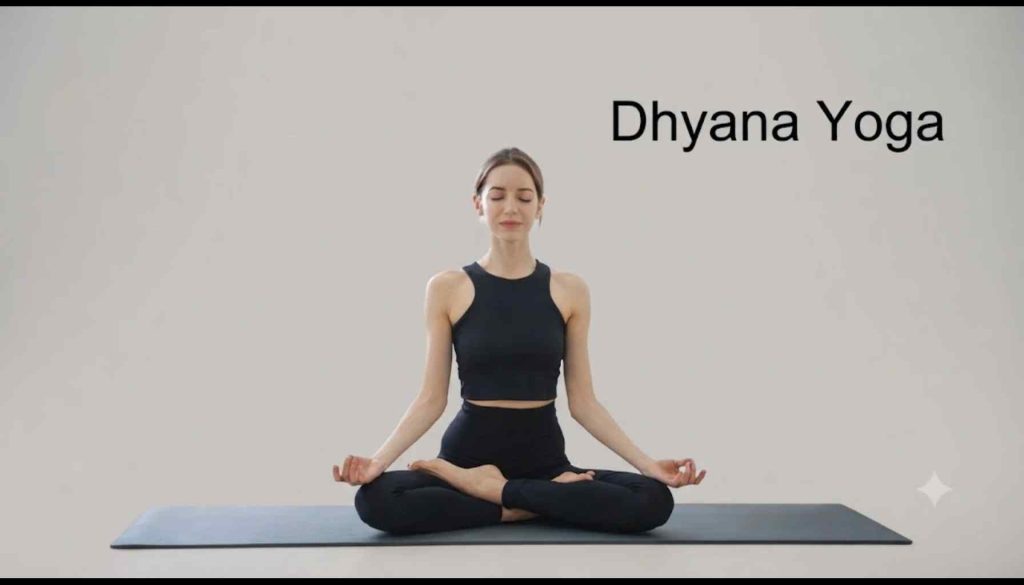
Dhyana, or meditation, is essential in attaining any yogic power. It strengthens the mind and soul and directs awareness toward subtle elements (Tanmatras). Practitioners often pair seated meditation in Padmasana with concentration gestures like Hakini Mudra to steady the mind and deepen absorption.
Deepen Your Practice by the Holy Ganga
Whether you are seeking physical healing, emotional calm, or an internationally recognized teaching certification, Om Setu Yogashala hosts immersive programs led by traditional Himalayan masters.
Myths vs Reality: Is Physical Levitation Real?
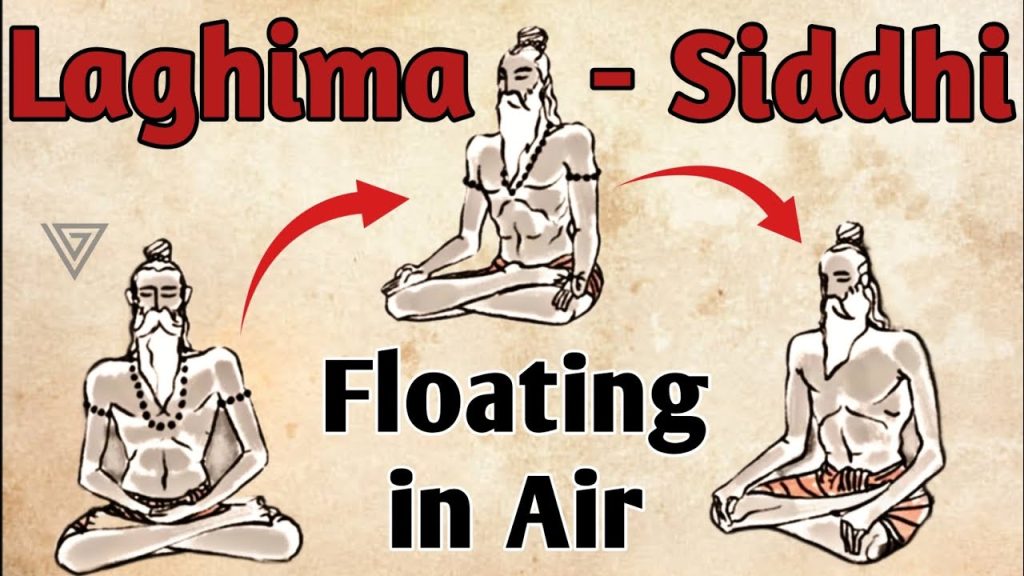
Laghima Siddhi literally means becoming weightless. Ancient Vedic scriptures and yogic texts describe realized masters rising slightly above the ground during states of deep Samadhi. Lord Hanuman was blessed with this siddhi—along with the other seven Ashta Siddhis—by Maa Sita, and Himalayan traditions hold that advanced sages still preserve this secret science today.
However, in Kaliyuga—this current modern era—Laghima Siddhi is equally understood as emotional, mental, and spiritual weightlessness. Modern stress and attachment weigh heavily on the human heart; cultivating Laghima means releasing mental baggage, ego, and anxiety so you can walk through life feeling light, free, and unburdened.
Chakras and Mantras Associated with Laghima Siddhi
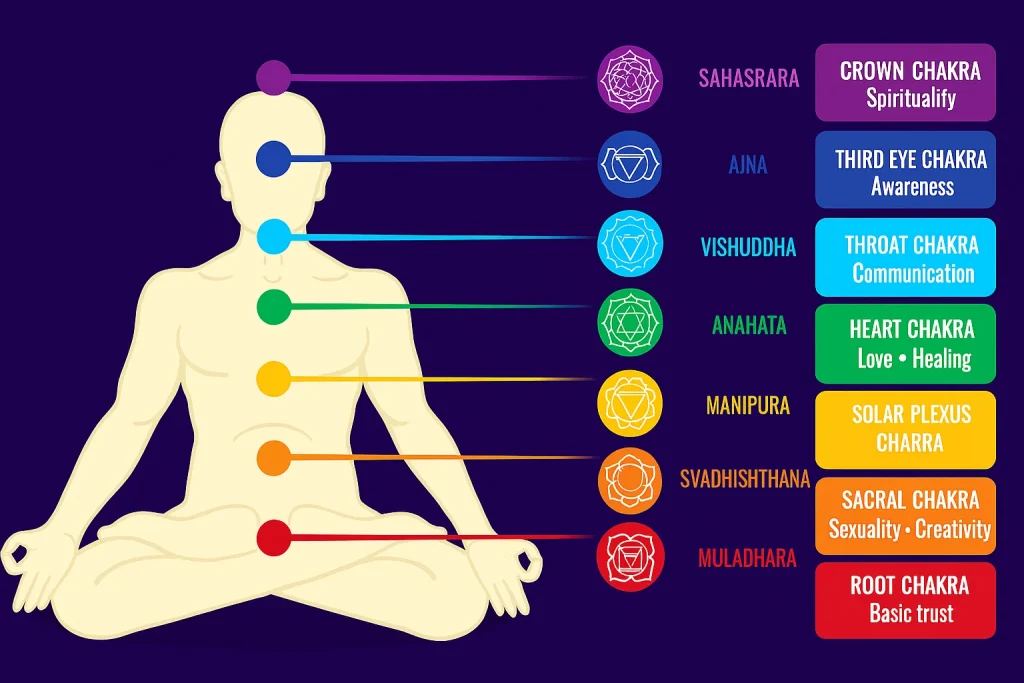
The primary energy centers connected with Laghima Siddhi are the Vishuddha (Throat) Chakra, the Ajna (Third Eye) Chakra, and the Sahasrara (Crown) Chakra. Vishuddha Chakra governs Akasha (the space/ether element) and helps in attaining Samyama on Udana Vayu. Meanwhile, activating the Third Eye chakra (often supported by Hakini Mudra) deepens concentration, and the Crown Chakra elevates consciousness above physical and emotional ties.
Different yogic lineages transmit specific mantras for Laghima Siddhi, alongside the classical seed sounds “Ham” (the Bija mantra of the Throat Chakra) and “Om / Aum” (which awakens the Third Eye and Crown Chakras). Chanting these sacred vibrations purifies the subtle body and elevates pranic energy upward.
Experience Authentic Yogic Sadhana in Rishikesh
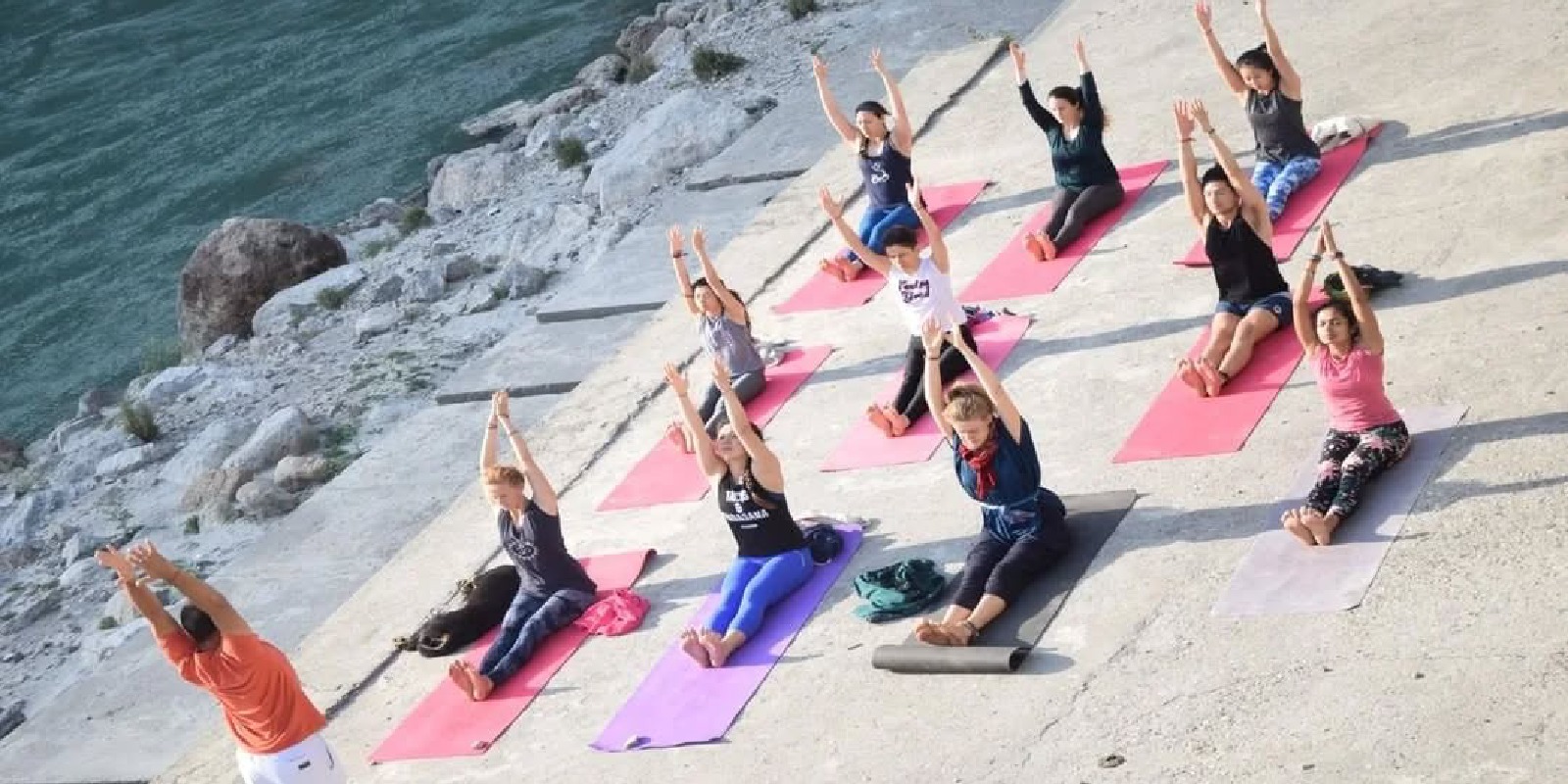
Rishikesh, the world’s yoga capital, has preserved the living wisdom of Himalayan yogis for millennia. At Om Setu Yogashala, we honor this authentic lineage through traditional Hatha Yoga, Pranayama, Meditation, and Yoga Philosophy. Whether you join our rejuvenating Yoga Retreat in Rishikesh or our Yoga Alliance certified 200 Hour Yoga Teacher Training in Rishikesh, our experienced teachers guide you step-by-step on the path of classical yoga.
Explore More Ashta Siddhi & Yogic Guides:
- What is Anima Siddhi? – The Power of Becoming Infinitesimally Small
- What is Prakamya Siddhi? – The Power of Omniscience & Manifestation
- What is Hakini Mudra? – The Gesture of the Mind & Concentration
Frequently Asked Questions
1. Can Anyone Attain Laghima Siddhi?
According to yogic scriptures, anyone who practices with sincere devotion, ethical discipline (Yamas and Niyamas), and proper guidance from an authentic guru can experience the inner and outer fruits of Laghima Siddhi over time.
2. Which Chakra is Associated with Laghima Siddhi?
The Vishuddha (Throat) Chakra—which governs the ether element (Akasha) and Udana Vayu—is the primary chakra associated with Laghima Siddhi, supported by the Ajna (Third Eye) and Sahasrara (Crown) chakras during deep meditation.