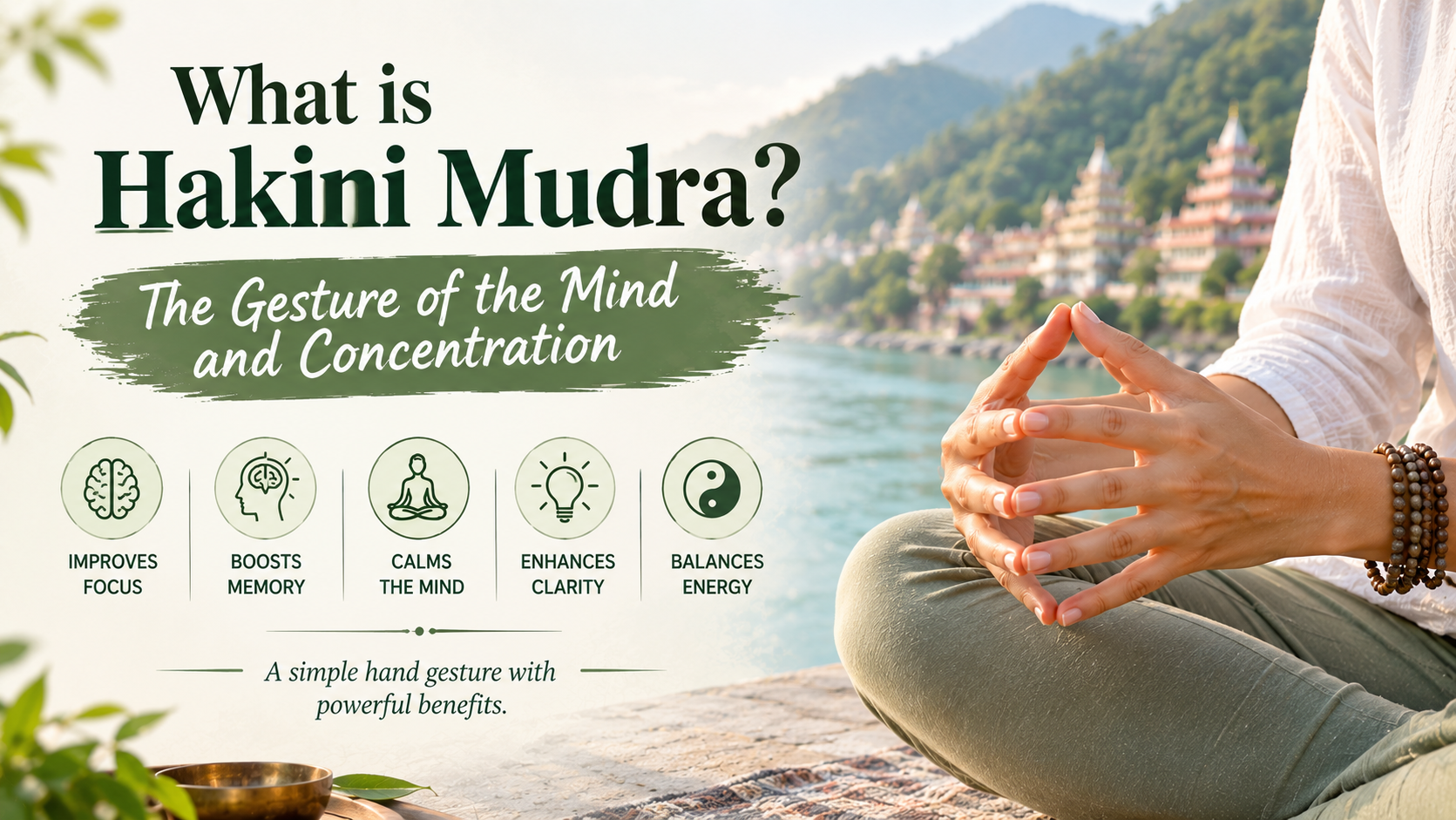
What is Hakini Mudra?
Hakini Mudra—often called the “Gesture of the Mind”—is one of the most revered yogic hand gestures (Hasta Mudras) for awakening mental clarity, memory, and concentration. Practiced by bringing the fingertips of both hands gently together while gazing upward toward the Third Eye, Hakini Mudra harmonizes the left and right hemispheres of the brain and prepares the mind for deep meditation and higher yogic sadhana.
The Meaning and Origin of Hakini Mudra
In Hindu and yogic tradition, Hakini is the presiding goddess (Shakti) of the sixth energy center, the Ajna (Third Eye) Chakra. The Ajna Chakra governs intuition, imagination, wisdom, and cognitive clarity. When the Ajna Chakra is energized and balanced through Hakini Mudra, mental restlessness subsides and faculties such as decision-making, recall, concentration, and insight naturally sharpen.
In Sanskrit, the root word Hakini means “power” or “rule”—symbolizing complete mastery over one’s own mind. This ancient Hasta Mudra is traditionally practiced in a comfortable seated meditation posture such as Padmasana (Lotus Pose), Sukhasana (Easy Pose), or Vajrasana with the spine erect.
Top Benefits of Hakini Mudra for Mind and Body
1. Balances Right and Left Brain Hemispheres
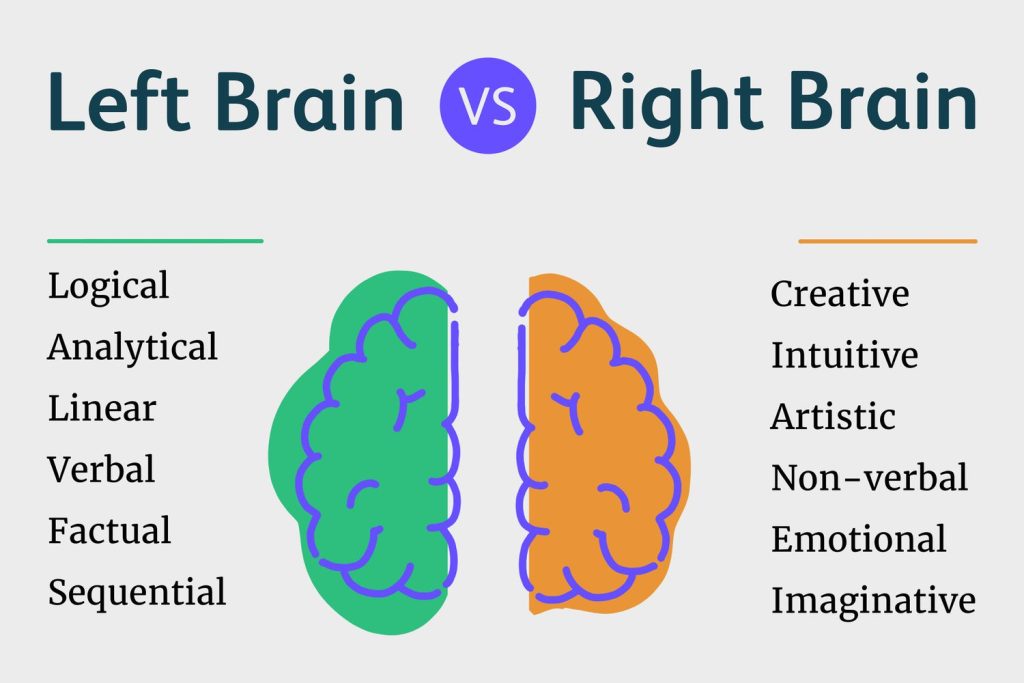
In Hakini Mudra, the fingertips of both hands meet symmetrically in front of the chest or solar plexus. Because thousands of nerve endings terminate in the fingertips, this symmetrical contact coordinates neural activity between the logical left hemisphere and the creative right hemisphere of the brain, promoting balanced cognition and mental agility.
2. Improves Deep Memory, Focus, and Cognitive Clarity

Another powerful benefit of Hakini Mudra is its ability to sharpen memory recall and sustain one-pointed concentration (Dharana). Whether you are studying, working on complex problems, or entering deep meditation, practicing Hakini Mudra daily helps clear mental fog and restore sharp focus naturally.
3. Calms Anxiety and Mental Restlessness

Bringing your fingertips together creates a physical anchor for wandering thoughts. When you sit quietly in Hakini Mudra and coordinate the gesture with slow, rhythmic breathing, the parasympathetic nervous system activates—releasing mental tension, quieting overthinking, and bringing deep calm to mind and body.
4. Activates and Balances the Ajna (Third Eye) Chakra

Hakini Mudra directly stimulates the Ajna (Third Eye) Chakra, the center of intuition and higher perception. Chronic stress and a sedentary lifestyle can block this chakra, leading to mental fatigue and indecisiveness. In advanced yogic traditions, awakening the Ajna Chakra through meditation and Hakini Mudra is also foundational for understanding higher yogic accomplishments such as Prakamya Siddhi, Laghima Siddhi, and Anima Siddhi.
Deepen Your Practice by the Holy Ganga
Whether you are seeking physical healing, emotional calm, or an internationally recognized teaching certification, Om Setu Yogashala hosts immersive programs led by traditional Himalayan masters.
How to Practice Hakini Mudra: Step-by-Step Guide

To perform Hakini Mudra correctly, follow these simple steps:
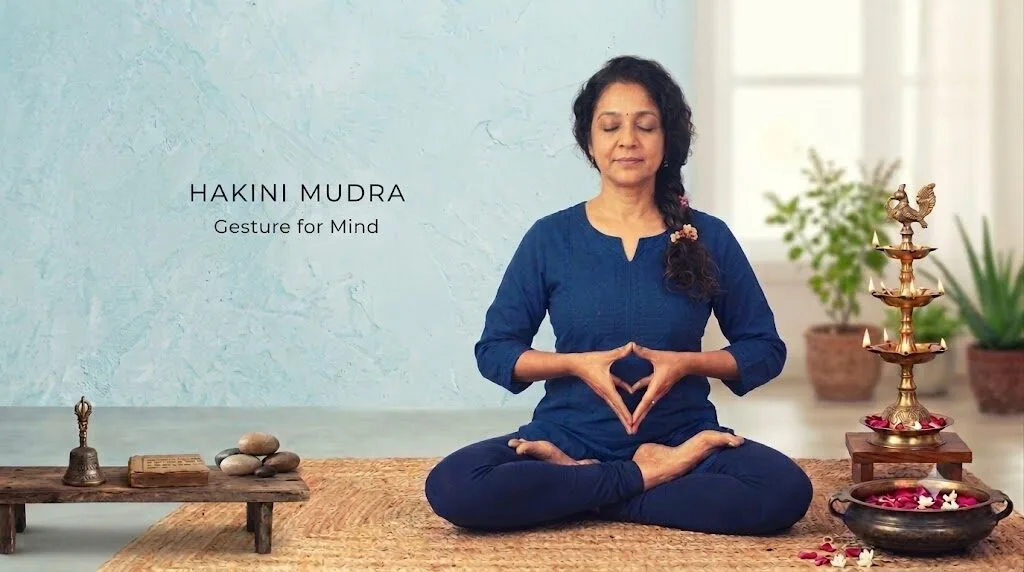
- Sit in a Comfortable Meditative Posture: Begin in a seated asana such as Padmasana, Sukhasana, or Vajrasana with your spine straight and shoulders relaxed.
- Bring Hands Before the Chest: Raise both hands to the level of your heart center or solar plexus.
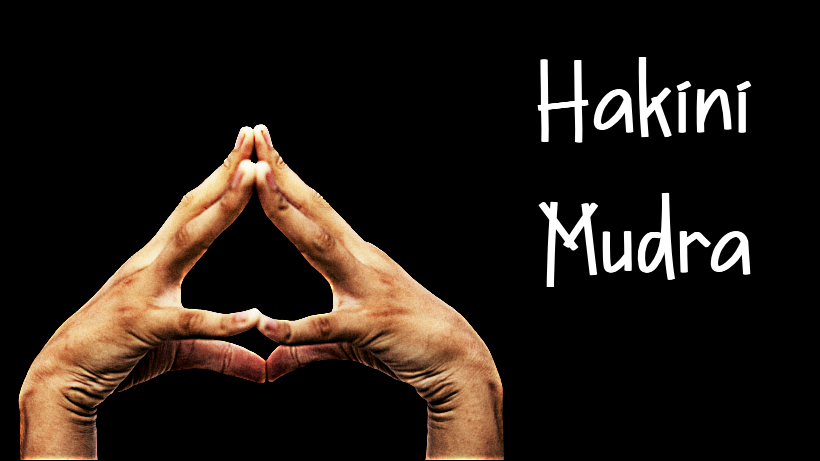
- Touch Corresponding Fingertips Together: Gently join the tips of each finger with the corresponding finger of the opposite hand (thumb to thumb, index to index, middle to middle, ring to ring, and little finger to little finger), keeping the palms separated as if holding a small sphere of energy.
- Maintain Gentle Contact: Press the fingertips lightly together without creating stiffness or tension in the wrists or hands.
- Focus on the Third Eye & Breath: Close your eyes, turn your inner gaze gently toward the space between your eyebrows (Ajna Chakra), and breathe slowly and deeply through the nostrils.
- Hold with Awareness: Maintain Hakini Mudra for 5 to 15 minutes while observing the natural stillness and clarity expanding in your mind.
Best Time and Ideal Duration to Hold Hakini Mudra
The most auspicious time for practicing Hakini Mudra is early in the morning during Brahma Muhurta (around sunrise), when the mind is naturally calm and receptive. However, you can also practice Hakini Mudra in the evening to unwind mental fatigue after a busy day.
Beginners can start with 5 to 10 minutes daily and gradually extend the practice to 15 to 30 minutes per day (either in a single session or split into two 15-minute sessions). You can also hold Hakini Mudra for a few minutes anytime during the day when you need to recall information or center your attention.
Who Should Practice Hakini Mudra and What Precautions to Take?
Who Should Practice Hakini Mudra:
- Beginners and advanced seekers who wish to deepen meditation and Hasta Mudra practice
- Students and professionals seeking sharper memory, focus, and concentration
- Anyone experiencing mental fatigue, overthinking, anxiety, or restlessness
- Holistic healing enthusiasts looking to balance the Third Eye (Ajna) Chakra
Precautions:
- If you have an acute finger, wrist, or hand injury, practice gently or wait until healed.
- Do not press your fingertips forcefully; contact should remain soft and effortless.
- Release the gesture if you feel any numbness or strain in the arms or shoulders.
- Hakini Mudra is a complementary yogic wellness practice and should not replace medical treatment for clinical neurological or psychological conditions.
Deepen Your Practice with Traditional Mudras in Rishikesh
Rishikesh, the land of Himalayan sages and the world’s yoga capital, invites you to experience authentic mudras, pranayama, and meditation with Om Setu Yogashala. Learn directly from experienced, Yoga Alliance registered teachers through our immersive Yoga Retreat in Rishikesh or our transformative 200 Hour Yoga Teacher Training in Rishikesh.
Explore Related Yogic Guides:
- What is Prakamya Siddhi? – The Power of Omniscience & Manifestation
- What is Laghima Siddhi? – The Yogic Power of Lightness & Levitation
- What is Anima Siddhi? – The Power of Becoming Infinitesimally Small
Frequently Asked Questions
1. Can Hakini Mudra improve memory for exams?
Yes. Hakini Mudra has been practiced for centuries to coordinate the left and right hemispheres of the brain, calm exam anxiety, and improve memory retention and recall. Practicing Hakini Mudra for 10 to 15 minutes daily is highly beneficial for students preparing for exams.
2. How long does it take for Hakini Mudra to show results?
A sense of mental calm and centered breathing can often be felt within the first 5 to 10 minutes of practice. For lasting improvements in memory, concentration, and cognitive clarity, consistent daily practice over 2 to 4 weeks brings the best results.