Rishikesh Neighborhood Comparison: Which Base Fits Your Goals?
Rishikesh is divided by the Ganges into several distinct pockets, each with its own rhythm, noise level, and terrain. Before picking an ashram or hotel, understanding these geographic differences prevents surprises like steep daily climbs or midnight market noise.
| Neighborhood | Atmosphere & Vibe | Ganga Access | Traffic & Noise | Best For |
|---|---|---|---|---|
| Lower Tapovan (Om Setu Campus) |
Balanced yoga community, quiet residential lanes, modern amenities, healthy cafes. | 5–7 min flat walk to clean riverside beaches. | Low tucked inside side-lanes; avoid front Badrinath road. | Yoga Teacher Training & retreats (ideal mix of calm and convenience). |
| Upper Tapovan / High Bank | Hostels, backpackers, elevated Himalayan views. | 15–20 min walk (steep uphill climb on return). | Quiet at top, but motorized rickshaws struggle up the hill. | Budget backpackers and travelers staying for months. |
| Swarg Ashram & Ram Jhula | Monastic, devotional, temple bells, strict vegetarian zone. | Direct riverfront access along stone bathing ghats. | Pedestrian only (no cars or motorized autos across bridge). | Traditional pilgrims, silent meditation seekers, elderly travelers. |
| Laxman Jhula (East Bank) | Historic traveler hub, multi-story cafes overlooking the river. | Steep stairways down to rocky beaches. | Narrow lanes, high foot traffic, active monkey troops. | Sightseers, photography, sunset cafe visits. |
| Muni Ki Reti & Janki Setu | Gateway between Tapovan and Ram Jhula, riverfront ashrams. | Direct stone steps (Shatrughna Ghat & Janki Ghat). | Moderate car traffic along the river road. | Morning walkers and travelers needing quick road transit. |
1. Tapovan: The Modern Yoga & Wellness Base
Tapovan sits on the western bank of the Ganges just north of Muni Ki Reti. Over the past decade, it became the primary hub for international yoga students because it offers modern comforts alongside serious spiritual study: reliable Wi-Fi, organic grocery stores, Ayurvedic doctors, and quiet residential lanes.
The Difference Between Lower and Upper Tapovan
Travelers who book rooms online often miss the distinction between Upper and Lower Tapovan:
- Lower Tapovan: Sits below the main bypass road. Walking down to the river takes 5 to 7 minutes on flat ground. Auto-rickshaws can drop you near your gate, making arrival with luggage straightforward.
- Upper Tapovan (High Bank): Sits on the mountain ridge above the bypass. While the views over the valley are expansive, reaching the river requires walking down a steep incline and climbing back up after classes. In summer heat or heavy monsoon rain, this climb becomes tiring.
Om Setu Yogashala (Lower Tapovan Campus)
Located in a peaceful residential pocket of Lower Tapovan, Om Setu Yogashala was specifically situated away from horn-honking transit while keeping students within a 6-minute walk of morning Ganga sadhana. The campus features private air-conditioned rooms, a dedicated top-floor yoga shala with cross-breeze mountain ventilation, and an organic kitchen serving three sattvic meals daily.
Explore Yoga Retreats in Tapovan → 200-Hour YTT Dates →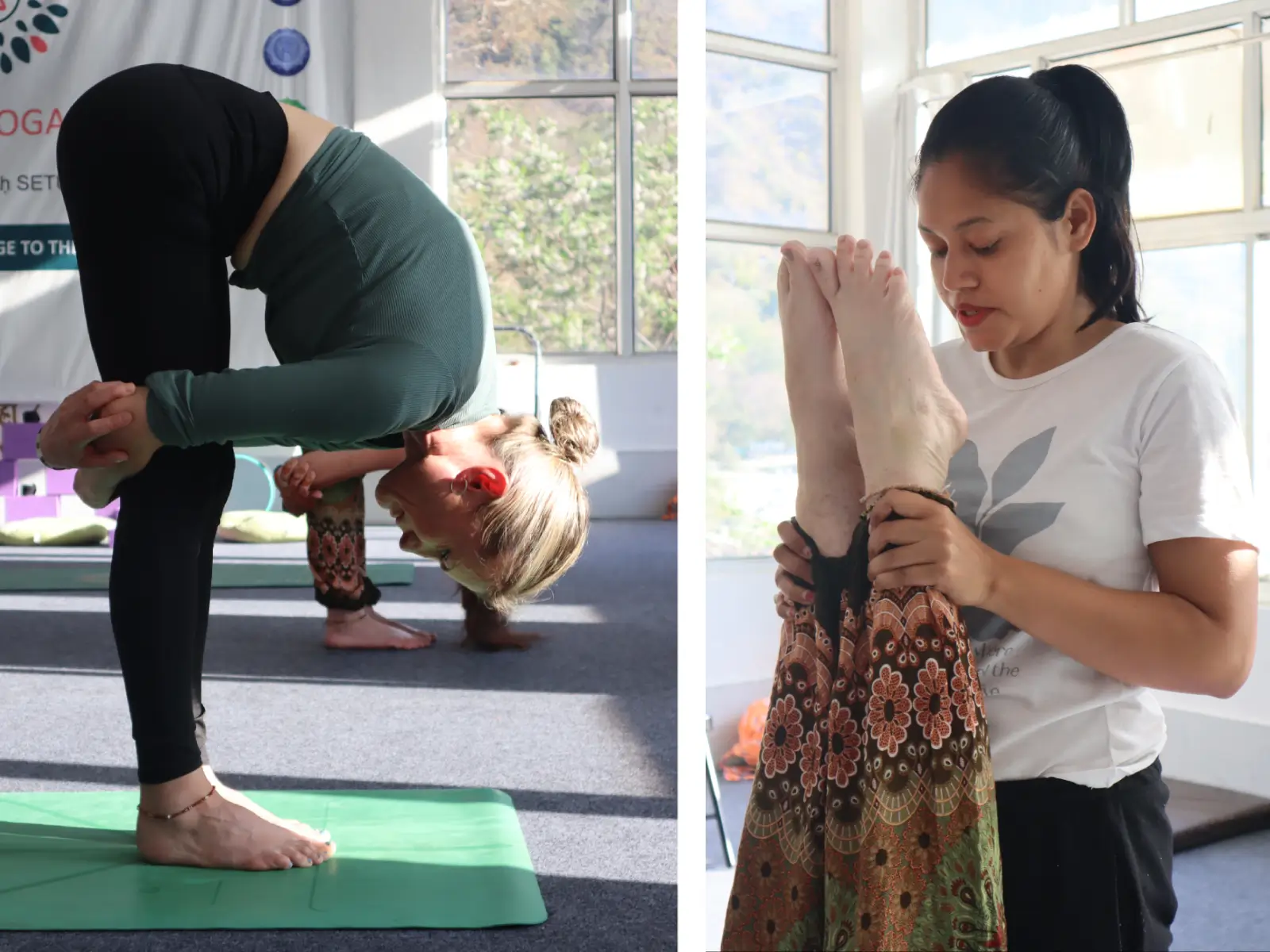

2. Sacred Ganga Ghats: Where to Meditate vs. Watch Evening Aarti
The Ganges through Rishikesh runs swift and cold directly from the Himalayan glaciers. Unlike the slower waters down in Varanasi, the river here is oxygenated and emerald green. The ghats serve distinct purposes:
Secret White Sand Beach (Tapovan)
Located 6 minutes from Om Setu. Soft white sand with shallow river inlets, quiet mornings before 8:00 AM, ideal for pranayama and silent reflection.
Shatrughna Ghat (Muni Ki Reti)
Clean stone bathing steps with safety chains. Considerably less crowded than Ram Jhula, popular among resident sadhus for early morning Surya Namaskar.
Parmarth Niketan Ghat (Swarg Ashram)
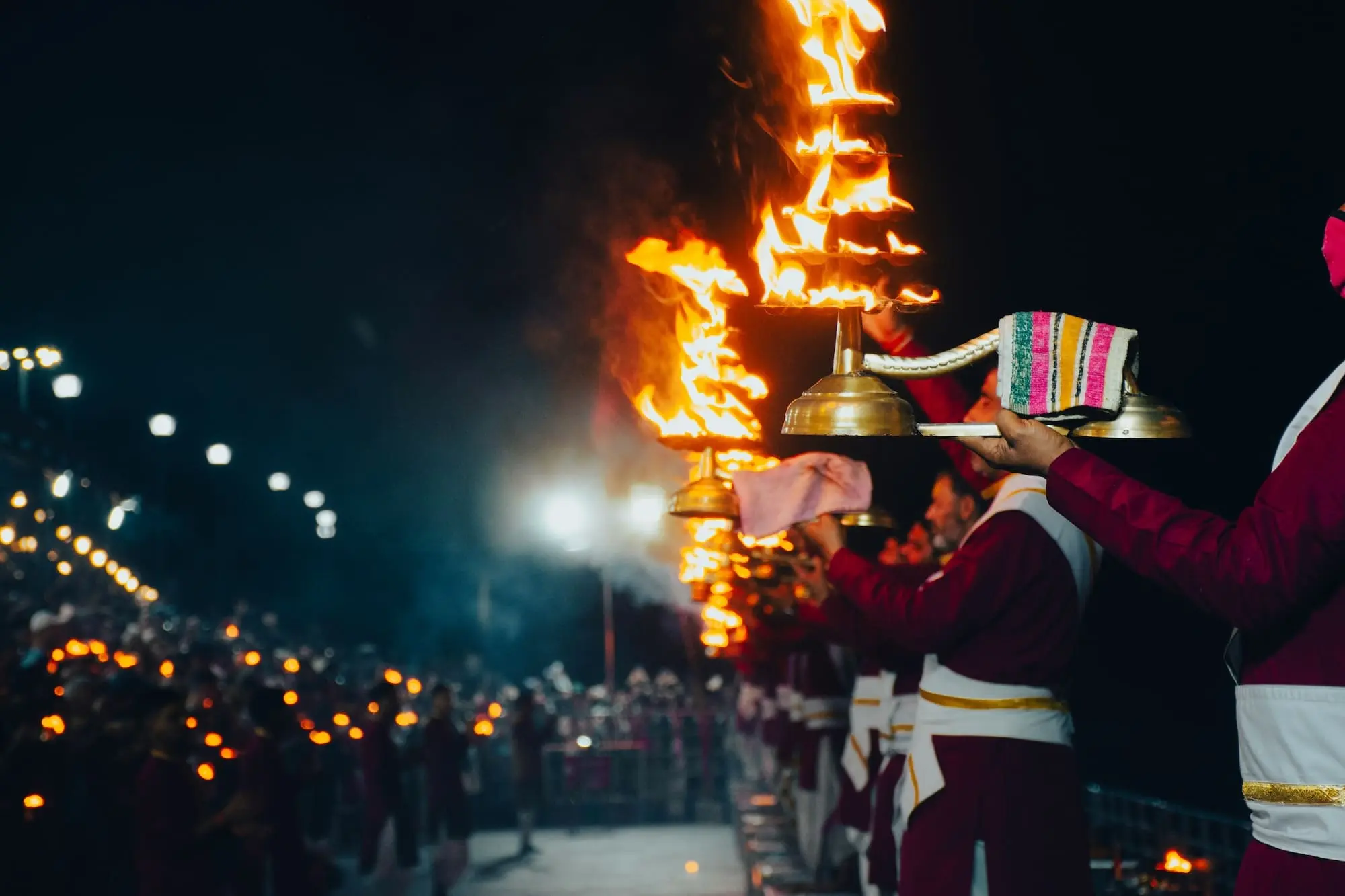
The premier evening devotional gathering in Rishikesh. Daily sunset fire ceremony with Vedic chanting by ashram students facing the colossal Shiva statue.
Triveni Ghat (Old Town)
Rishikesh's largest municipal ghat where the three sacred rivers symbolically meet. Drums, large brass oil lamps, and floating flower diyas at dusk.
Geeta Bhawan Ghat (Swarg Ashram)
Wide stone platforms sheltered by banyan trees. Free cold drinking water dispensaries and book stalls selling classical Vedic texts.
Janki Ghat (Near Janki Setu)
Spacious, clean ghat built alongside the new Janki suspension bridge. Great river current visibility and gentle breeze during sunset hours.
3. Sattvic & Healthy Cafes in Tapovan & Laxman Jhula
Tapovan has developed a dedicated food culture around clean vegetarian and vegan eating, with options tailored to students in daily physical training:
Little Buddha Cafe (Tapovan)
Famous multi-level wooden terrace overlooking the Ganges. Serves hearty salads, fresh fruit smoothie bowls, and herbal teas. Peak crowd at sunset.
Secret Garden Cafe (Tapovan)
Tucked into a quiet residential lane near Om Setu. Offers calm garden seating, raw vegan desserts, kombucha, and reliable reading corners.
Pure Soul Cafe & Organic Kitchen
Specializes in conscious cuisine, offering organic grain bowls, cold-pressed vegetable juices, and quiet poolside seating in Tapovan.
The 60's Cafe (Beatles Cafe)
Decorated with vintage photographs and vinyl records. Great vegan pasta, hummus platters, and an elevated view of the riverbend.
Shambala Cafe (Laxman Jhula)
Bohemian floor-cushion seating directly above the river. Known for herbal teas, Tibetan dishes, and relaxing ambient music.
Ira's Kitchen & Tearoom
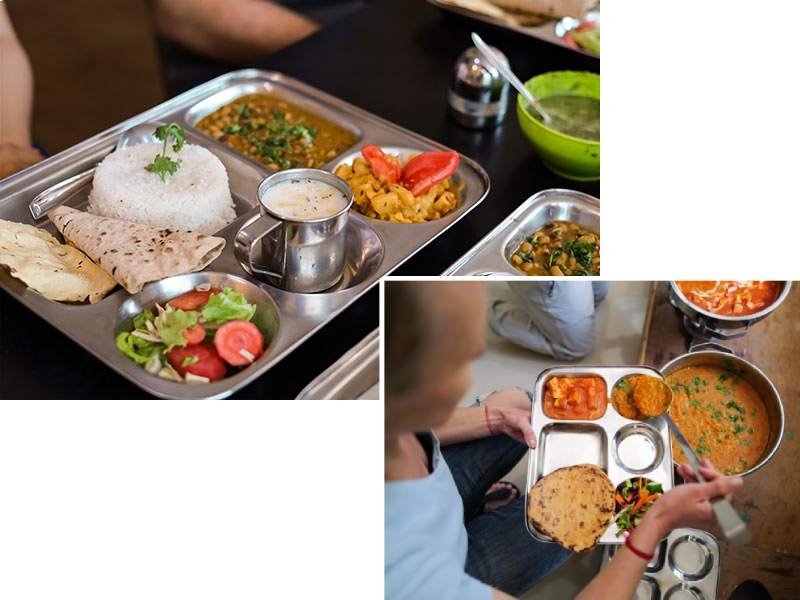
Quiet, family-run dining room preparing freshly ground spice blends and gentle, gut-friendly Ayurvedic thalis cooked in small batches.
4. Laxman Jhula: Iconic Suspension Bridge & Waterfall Trails
Laxman Jhula is the 450-foot iron suspension bridge built in 1929 that originally put Rishikesh on the international travel map. Legend holds that Lord Lakshmana crossed the Ganges at this exact point using a single jute rope.
Current Bridge Status (2026 Update)
The original historic iron suspension bridge was closed to vehicular and heavy pedestrian movement due to structural aging. A modern glass-floor replacement bridge, Bajrang Setu, was constructed directly parallel to it to handle pedestrian crossing between the west bank (Tapovan side) and the east bank (Jonk side).
What to Explore Around Laxman Jhula
- Trayambakeshwar Temple (13-Story Temple): The multi-tiered orange temple standing directly at the foot of the bridge. Each level contains shrines dedicated to Vedic deities. Visit in early morning before tour groups arrive.
- Neer Garh Waterfall: Located 4.5 kilometers north of Laxman Jhula along the Badrinath highway. A clear 3-tiered mountain waterfall surrounded by forest. A 20-minute hike from the road brings you to cold plunge pools.
- Patna Waterfall: Located 5 kilometers down the Neelkanth Road. Known for its quiet limestone moss caves and a serene forest stream.

5. Ram Jhula & Swarg Ashram: Devotional Heritage
Located two kilometers south of Laxman Jhula, Ram Jhula connects Muni Ki Reti on the west bank to Swarg Ashram on the east bank. Spanning 750 feet, it is noticeably wider and busier with saffron-clad swamis, sadhus, and families heading to evening prayers.
The Pedestrian Serenity of Swarg Ashram
The eastern side of Ram Jhula (Swarg Ashram) is completely closed to motorized cars and large auto-rickshaws. This restriction creates an environment where mornings are filled with Sanskrit chanting from ashram loudspeakers rather than engines.
Key Spiritual Stops in Ram Jhula & Sacred Meditation Caves
- Parmarth Niketan: The largest ashram in Rishikesh, famous for its grand evening Ganga Aarti at sunset on the river steps, attended by hundreds of seekers daily.
- Sivananda Ashram (The Divine Life Society): Founded by Swami Sivananda Saraswati, maintaining strict traditional Hatha yoga classes, library study, and charitable hospital services.
- The Beatles Ashram (Chaurasi Kutia): Located at the southern edge of Swarg Ashram within Rajaji National Park. This is where the Beatles studied Transcendental Meditation with Maharishi Mahesh Yogi in 1968. You can walk through the stone meditation domes (kutiyas) and view the graffiti art hall.
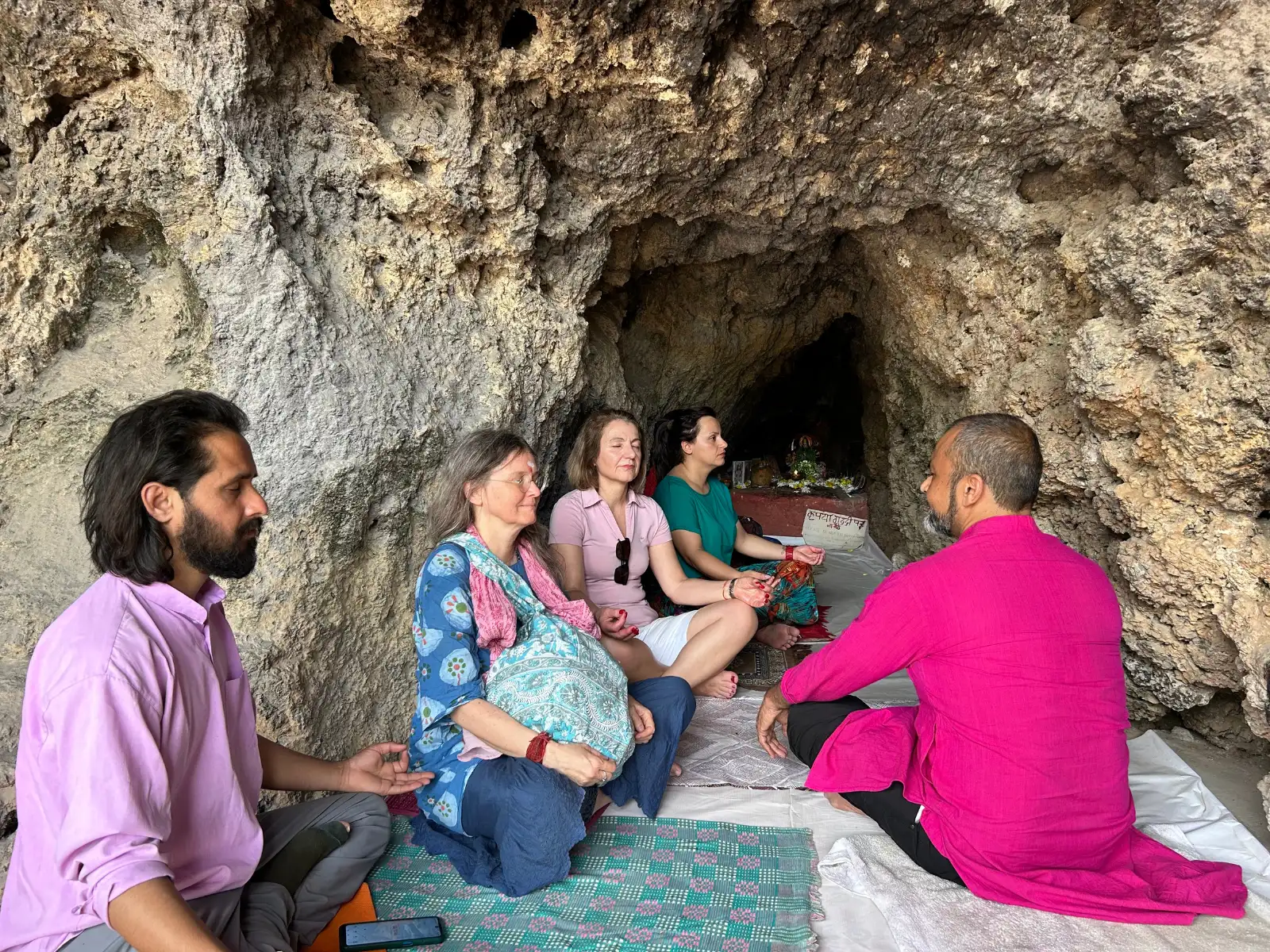
- Vashishtha Gufa Ashram: Located 21 km upstream on the banks of the Ganges. An ancient natural meditation cave where Sage Vashistha practiced deep penance, maintaining a profoundly still energy field for silent meditation and pranayama right above a secluded white sand beach.
6. Practical Travel Logistics: ATMs, Transit & Health
Having cash and transport mapped out on day one removes needless friction:
SBI ATM (Tapovan Main Road)
The most dependable ATM for international Visa, Mastercard, and Maestro cards. Usually stocked with cash; charges standard international network fee.
Punjab National Bank (Tapovan Chowk)
Situated near the main junction. Good alternative when weekend tourist influx empties the primary cash dispensers.
Tapovan Forex & Western Union
Near the police post. Converts physical USD, EUR, GBP, and AUD banknotes at transparent, displayed daily bank exchange rates.
Tapovan Sharing Auto Stand
Catch ₹20 shared electric or diesel autos down to Ram Jhula, Muni Ki Reti, or the main Rishikesh bus terminal.
Laxman Jhula Taxi Union Stand
Offers regulated fixed-price taxis to Dehradun Jolly Grant Airport (approx. ₹1,000–₹1,200) and Delhi Indira Gandhi Airport.
Government Primary Health Center
Located in Tapovan. Open daily for minor wounds, dehydration treatment, tetanus shots, and general doctor consultations.
Frequently Asked Questions About Rishikesh Neighborhoods
Which area of Rishikesh is best for a yoga retreat?
Lower Tapovan is the most balanced choice. It offers quiet, green lanes away from traffic noise, comfortable residential ashram rooms, and a short 6-minute walk down to clean riverside beaches.
Can you walk from Tapovan to Ram Jhula?
Yes. The paved walking path through Muni Ki Reti takes about 25 minutes along the river. Alternatively, shared auto-rickshaws run continuously between Tapovan Auto Stand and Ram Jhula for around 20 Rupees.
Is Tapovan safe for solo travelers at night?
Tapovan has a low crime rate and a high concentration of international students and families. Walking the main lanes until 10:00 PM is safe and routine. Keeping a phone light handy for darker side-alleys is sensible.
How far is Om Setu Yogashala from the Ganges?
From the front gate of Om Setu in Lower Tapovan, you reach the morning bathing ghats and sandy riverside beaches in approximately 6 minutes on foot.

